
person-in-running-shoes-going-up-stairs

Is it Better to Work Out in the Morning or at Night?

By Fitness

When you’re trying to get back into a regular exercise routine (or trying to start one for the first time), finding time in your day to work out can be challenging. Waking up early might mean sacrificing needed sleep, and waiting until later in the day makes it more likely that competing obligations will get in the way of your plans to hit the gym. When really is the best time to exercise?

While there can be benefits to both, exercising in the morning may be best.
Exercising bright and early provides a natural energy boost—a great benefit if you find yourself relying heavily on caffeine to get your day going. It can also boost your mood as well as your productivity throughout the day.

Waking up early to work out can actually help shift your body clock so you become naturally more alert earlier in the day and go to sleep more easily at night. So, once you establish a routine, waking up early to work out won’t have to mean losing precious sleep time. Exercising early in the morning can also help you stick with your fitness routine, which is necessary in order to see a substantial benefit.

If weight loss is one of your primary fitness goals, beginning your day in a healthy way sets you up to make healthier choices, like what to eat for lunch, as the day continues. Exercising on an empty stomach first thing in the morning is also a fantastic way to burn stored fat as well as speed up your metabolism so you burn more calories throughout the day.

If you really aren’t a morning person, work out whenever it suits you best.
Afternoons can be just as good for your physical and mental health, particularly if you are focusing on improving your performance rather than losing weight or just getting the workout done and out of the way. After having eaten during the day, you’ll have the energy for a more intense workout.

If you choose to work out later in the day, notice how an afternoon or evening workout affects your sleeping patterns. Since exercise is a natural stimulant, this could make it harder to fall asleep as early as you might like or delay the deeper phases of sleep. If you notice difficulty falling asleep or feeling drowsy in the morning, you might consider shifting your workout to earlier in the day.

The most important thing about working out is to do it; there is no bad time to exercise. Prioritize being as consistent as possible. Consistency is easiest when you choose activities that you enjoy and set up a routine that fits your body and fitness goals.

 

Healthy Lifestyle

Create a Healthy Lifestyle with Mind Body

By Mind Body

There’s more to a healthy lifestyle than eating nutritional foods, exercising regularly, drinking water, and getting plenty of sleep. Sure, all of those things are important to maintain your physical health, but now more than ever, scientists are discovering how important mental health is as well. The mind-body connection is the path to creating a healthy lifestyle.


What is Mind-Body?
The mind-body connection is understood that your thoughts, attitudes, beliefs and feelings can affect your physical functioning both positively and negatively. The health of your mind can affect the overall health of your body. You can eat vegetables all day long but if you’re constantly stressed out, then your health will suffer!


The importance of the connection
The mind affects the body, and the body affects the mind. Maintaining a healthy lifestyle means monitoring your stress, anxiety, emotions, and overall mental health. Here are a few examples of how emotional health can take a toll on physical health:

– It is estimated that 95% of all illnesses can be caused or aggravated by stress.

– People with high-stress levels are more likely to catch a common cold.

– Mental health issues such as depression have been linked to heart disease, strokes, and diabetes.

– People with an inability to cope with anger have a greater risk of developing heart arrhythmias.

– Those with substance abuse or mental health problems have a lower life expectancy (decades lower) than the general population.


How you can use Mind-Body to create a healthy lifestyle
Convinced now that your mental health is just as important as your physical health? The two must go hand in hand to be a whole, healthy person. Here’s how you can use the mind-body connection to create a healthy lifestyle for yourself:

Exercise regularly
Exercise increases your levels of oxygen and endorphins, making you more alert and more energetic. Individuals who exercise regularly (20 to 30 minutes a day) are less stressed, anxious, depressed and have a greater sense of well-being.

Proper nutrition
Eating healthy foods can reduce physical problems such as fatigue, and give you energy to think faster and more clearly.

Laugh often
Laughter really is the best medicine. It has been found to reduce pain, increase creativity, and speed up the healing process. Make it a priority to spend more time with people who make you laugh.

Get enough sleep
Aim to get between 7 to 8 hours of sleep each night. Habitually not getting enough sleep weakens your immune system, contributes to depression and weight gain, and speeds up the aging process.

Keep a positive attitude
A positive attitude can affect your health. How you handle stress can determine how it affects you. A positive attitude also allows you to take a step back and make healthier decisions overall instead of just reacting to the situation.

Be part of a group/community
Being part of a group can provide a sense of purpose and increase longevity, in addition to other physical benefits. One study showed women with metastatic breast cancer who participated in support groups had double the survival rates.


Forma’s Mind-Body Offerings
At Forma Gym, we understand how important the mind-body connection is. Our Mind-Body program is designed to facilitate wellness, recovery, and healing by making movement and conscious attention a lifestyle practice. We offer workshops, classes, and various different modalities to help you find the mind-body practice that works for you to create and maintain a healthy lifestyle.

Meal Prep

Meal Prep Tips: Better Nutrition Made Easy

By Nutrition

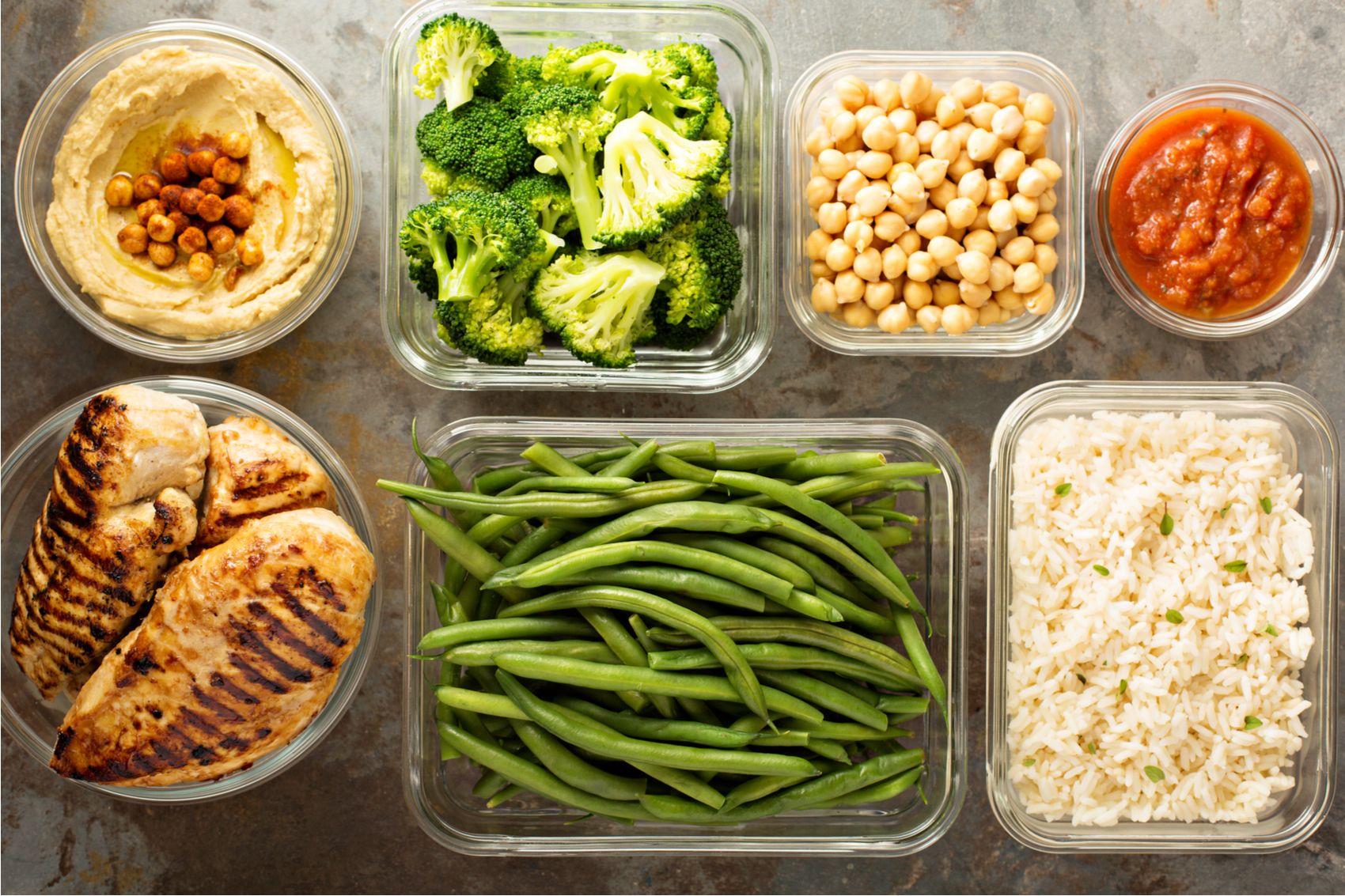
With so many things on our plate, it’s a huge challenge to serve nutritious meals without a little work on your part. Mealtimes roll around very quickly, and if you haven’t made any efforts to plan ahead, you may end up making some unhealthy choices. A little planning can help take the stress out of it, and allow you to enjoy healthy, delicious meals without all the guesswork.


Here are some of the benefits of meal prepping:
1. Choose more nutritious foods
Grabbing what’s available when you’re hungry often means you reach for less nutritious foods. Putting in a little effort to plan out meals and doing some prep work in advance means you can choose a variety of nutritious foods that you will enjoy throughout the week.

2. Less stressful for you
Life is busy! In between work, commuting, sports practices and school pick-ups, your day is filled with activities. Mealtimes come quick and you can get hangry fast. Prepping healthy nutrition-based foods in advance can help avoid this so you can just grab and go.

3. Save money
If you set aside a little time to plan and prep healthy nutrition, you will save money on your food costs. Prepping means fewer convenience store foods, takeout orders, and trips through the drive-through. Planning in advance can make a big impact on your wallet.


Meal Prep Tips for Healthy Nutrition
So where do you begin with meal prepping? If this is a newer concept or something you want to get back into doing after taking a break, we have some tips to make it a little easier!

Tip #1 – Start collecting recipes and create a template
Think about what kinds of food you’d like to see incorporated into meals. If you’re a parent, letting kids participate or choosing foods will get them excited about the process and encourage healthy eating habits. Start a monthly calendar to record your meal ideas and shopping lists.

Tip #2 – Assign specific foods to days of the week
Make your life easy by doing things like “Meatless Monday” and “Taco Tuesday.” You can vary these recipes each week but keep a theme to make planning and prep much easier.

Tip #3 – Set aside a day and time to plan
Choose one day of the week where you will decide the meals for the week, make a shopping list, and buy all of your food. Set this time aside and make arrangements so you won’t have any distractions or interruptions.

Tip #4 – Multitask and batch cook
Prep large batches of food in advance that you can use in different recipes throughout the week. For example, you can cook shredded chicken in a crockpot to later use for tacos, salads, or soup recipes. While your chicken cooks, you can also wash and chop fruits and vegetables and hard boil eggs that your family can enjoy throughout the week.

Tip #5 – Double Up
Double the recipe of the meal you are making so you can use for multiple meals. Things like soups, enchiladas, and sauces can easily be stored in the freezer and served another day. Your future self will thank you!


Meal Prep Ideas
Get started with healthy nutrition and meal prep with these simple recipes:

Ginger Soy Glazed Chicken

Basil Avocado Shrimp Salad Wraps & Sweet Potato Chips

Baked Lime Chicken Bowls

Overnight Oats

Garlic Parmesan Kale Pasta

Bolognese with Zucchini and Artichokes

Breakfast burritos

Beef and Broccoli

Greek Couscous Salad

Honey Sriracha Glazed Meatballs

Once you start meal prepping, you’ll create new routines and habits that work best for you. Make sure you set aside some time each week and have a plan in place. Meal prepping will make mealtimes less stressful and more enjoyable so you have more time to do the things you love.


Farmers Market

Shop Your Local Farmers’ Markets for Heart-Healthy Foods

By Nutrition

Buying nutritious foods is just one way you can nurture your bod, and you can find fresh, delicious healthy foods right in your own backyard. Shopping at your local farmers’ market is a great way to find in-season heart-healthy foods that are good for your health, your tastebuds, and your wallet.

1. Healthier for you
The American Heart Association recommends eating at least 4.5 cups a day of fruit and vegetables as part of a heart-healthy lifestyle. It’s easy to load up on fresh, nutritious food at the farmer’s market, because foods that are freshly picked are at their peak nutritional value. Buying in-season produce means you get the best nutrients.

2. Delicious taste
There is nothing quite like the taste of a fresh strawberry or an ear of corn, fresh from the farmer’s market. In-season produce that is freshly picked is the best-tasting produce you can find. The food offered at a farmer’s market is always in-season and often just picked that morning.

3. Try new foods
Local farmers’ markets usually have unique foods that aren’t offered at your local grocery store. Often, the local vendors will let you try a sample of their food to see if you like it. Adding variety into your diet is a great way to eat healthy and not get bored of the same foods.

4. More affordable
Some foods offered at farmers’ markets are more affordable than foods in the supermarket. Buying food that is in season is always the route to go for price and taste, and certain foods like herbs, artichokes, tomatoes, and in-season fruits, are often a fraction of the cost when you pick them up at a farmers’ market.

5. Support local economy and farmers
Shopping at farmers’ markets help support your local economy and local farmers. Often the same farmers who are selling you peaches are the ones who picked them from the tree.


Our Favorite Local Farmers’ Markets
San Jose Farmers’ Markets
1. Campbell Farmers’ Market

A year-round farmers’ market where you will find anything that is in season! This affordable farmers’ market has an extensive selection of fresh fruits and vegetables. It happens every Sunday from 9 am to 1 pm, rain or shine. Check the website for more details.

2. Sunnyvale Farmers’ Market

Open every Saturday morning, the Sunnyvale Farmers’ Market has an array of vendors and plenty of options to sample as you stroll. They offer a variety of heart-healthy produce options as well as a selection of handmade pasta, breads, and pasteurized eggs. With plenty of parking in a great location, this is a fun market to explore.

3. Downtown San Jose Farmers’ Market

Vendors from all over Northern California bring their produce and goodies to the San Pedro Market corridor every Friday morning from May to November. This is a smaller market that is packed with goodies and has live music.


Walnut Creek Farmers’ Markets
1. Concord Farmers’ Market

Stroll through the Concord Farmers’ Market on Tuesdays and Thursdays. The market is situated in a park setting, making it family-friendly and a great location. Vendors include tons of fresh produce options, food vendors, face painting, and even live music.

2. Grand Lake Farmers’ Market

Stroll through East Bay on Saturday mornings and enjoy this medium-sized farmers’ market with a plethora of vendors and a diverse crowd. Sample fresh produce, enjoy live music, and take some delicious produce home with you.

3. Walnut Creek Farmers’ Market

Plenty of organic produce and quality products offered at the Walnut Creek Farmers’ Market which runs year-round, every Sunday. You’ll find a blend of fresh produce alongside artisan meats and cheeses. Local vendors rotate weekly so there’s always something new to try!

Grab some friends and visit one of these local farmers’ markets today!

Benefits of Yoga

The Many Benefits of Yoga

By Fitness, Mind Body

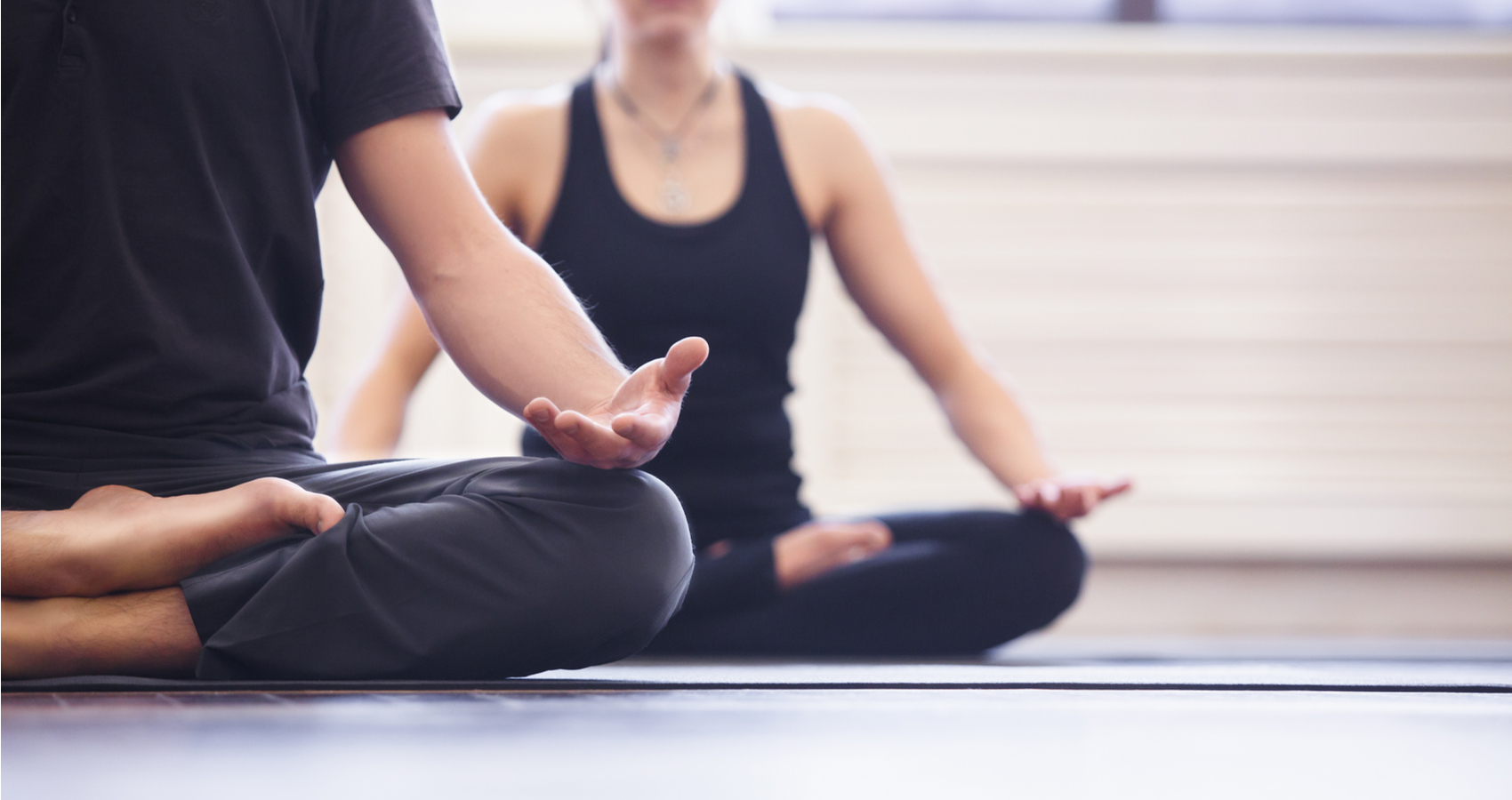
Practicing yoga is about more than deep breaths and extreme flexibility. In a world where we are constantly on the go, starting a yoga practice can help you pause for a moment, connect your mind to your body, and give you a stress-relieving workout no matter what your fitness level.

Here are some of our favorite benefits of doing yoga.
Benefit #1 – Decreases anxiety, tension, and stress
Taking a yoga class requires your complete focus and concentration. For the duration of the class, you get to tune out the world of your kids’ schedules, meal planning, and all of the tasks on your to-do list. Breathe in deeply and breathe out all of your stress and tension.

Benefit #2 – Improved mood and health
Stress can show up in your body in various ways—sleeping problems, back and neck pain, difficulty focusing, etc. Yoga is a mood booster and helps people cope better with stress, thus improving your overall mental outlook and physical health.

Benefit #3 – Lessen chronic pain, such as lower back pain, arthritis, headaches and carpal tunnel syndrome
The poses and postures of yoga are centered around your core, building up the muscles around your spine. With a strong core, your posture is improved and neck, back, and shoulder pain can be alleviated. Many yoga poses also focus on opening, stretching, and strengthening the joints of your body, which can help decrease pain.

Benefit of yoga #4 – Improved mobility and flexibility
Many people notice their bodies moving with new fluidity after just one yoga class. Over time, Yoga helps you improve the ease of your movement and mobility throughout your entire body. Doing 15 to 30 minutes of the elongated poses can also increase flexibility and balance.


Who is yoga for?
Beginners and Yoga Gurus
One of the best things about Yoga is that all fitness levels and ages can experience the mental and physical benefits from it. Don’t be intimidated by fancy yoga pose names. Most poses have advanced and beginner options so you can do what works for your body.

From beginner to yogis, you can benefit from yoga if you want to:
• Increase Mobility
• Gain strength
• Increase flexibility
• Strengthen your core
• Improve your balance
• Relieve stress
• Improve your breathing
• Try something new

Our Mind-Body program at Forma Gym is designed to facilitate wellness and healing by making movement and conscious attention a lifestyle practice. So no matter what your goal or fitness level, we offer multiple yoga class options that can help. Try a class with us and experience the benefits. Namaste.

mud run

What to Wear for Your First Mud Run

By Fitness

So, you decided to sign up for your first mud run? Mud runs and obstacle course races (OCR) are a great way to challenge yourself physically, while trekking (and playing) in the mud. Getting dirty has never been so much fun!

Putting in the hard work at Forma Gym with high-intensity classes and workouts have helped prep your mind and body for your mud run, but prepping your wardrobe will be a little different than hitting the gym.

Here’s how to dress from head-to-toe.

Head
Avoid wearing anything extra on your head like a hat or sunglasses. Some runs may have obstacles where you jump off a platform or swim through muddy waters. Once something falls in the mud, it’s pretty difficult to recover. Headbands that stay put are a good choice for women and men who want to keep hair out of their face.

Tops
Wear a shirt or tank that is form-fitting and has wicking fabric. This helps keep you dry and is less likely to snag on wire or other elements in the course. Whatever you do, avoid cotton. Cotton holds water and loses its form when wet. Your once-comfortable cotton tee will quickly become loose and soggy, and interfere with your race-day performance.

Bottoms
Compression shorts or pants will help wick away moisture, keep everything in place on race day, and keep mud to a minimum in sensitive body areas. Again, avoid cotton, even in your underwear.

Shoes and Socks
Your feet will probably be the first thing to get wet and muddy. They’ll also be the main thing giving you comfort during and after the course so dress them well.

Socks: Choose socks that are wool or wicking material. Follow the no-cotton rule again. Good socks will also help pad your feet from mud and other debris that could creep its way into shoes.

Shoes: Most mud runs will have extremely muddy sections where your regular running shoes won’t cut it. Trail running shoes are a better bet to give you some grip. Choose a shoe that has good tread, drainage, and support.

Remember that soon after you start the race you’ll be a muddy mess. No one else is paying attention to what you’re wearing, so dress for comfort and performance. Just remember you don’t want your clothes to become another obstacle.

Ready to hit the mud? Find a mud run near you.