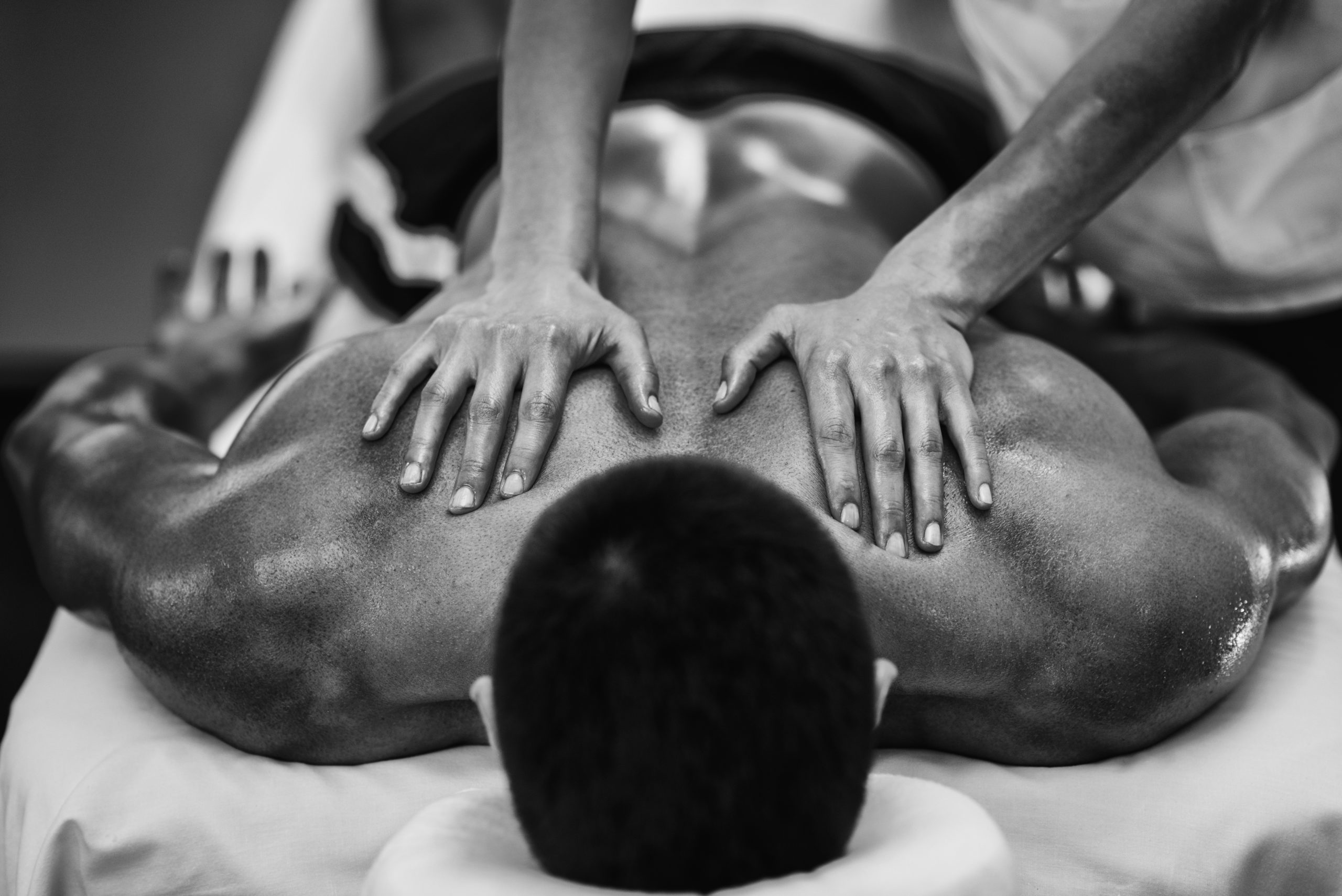
Benefits of massage, Forma Gym, sports massage, therapeutic

Massage Therapy: It works out much more than kinks

By Fitness

There’s nothing better than the look in someone’s eyes when they discover benefits of massage therapy that they hadn’t expected. After blending massage into their routine, even monthly, they notice increased range of motion and realize how much more they can do with their body.

It might sound like I’m joking when I say I got into massage therapy by accident, but it’s true. More specifically, it was a 2007 snowboarding accident.

As luck would have it, while on bedrest after the accident, I kept seeing the same TV ad for a massage school. I had always been athletic, so I was hooked, especially when I learned that I could have free daily massages when I started taking classes. 

I was still recovering and could barely move. But I started classes anyway and found much more to love than just the free massages.

Massage wakes up the body and the mind.

After becoming certified in 2008, I worked for a mom-and-pop physical therapy office, followed by a major spa chain. Later, I joined a chiropractic office before discovering Forma Gym. Working alongside these professionals, I witnessed how every part of the human body is linked in some way to the others. From muscles, bones and connective tissues to circulatory, endocrine and nervous system, each function affects the others and the whole.  

Think of massage, therefore, as maintenance for the musculoskeletal system. It’s a recharge of all the body’s systems and it augments the good work of your nutrition and fitness plans.

Overuse of muscles leads to fatigue, causing muscles to shorten and putting them at risk for injury. When muscles are tired or injured, they’re afraid. When they’re afraid, they hide. Without sufficient blood flow to those muscles, you lose range of motion.

Although stretching is one way to keep muscles lean and flexible, stretching alone can’t drive sufficient blood flow. That’s where massage comes in. During massage, we find those dormant, scared muscles and we wake them up, bringing back blood into them. Before long, they’re not only useful again, but you’ve decreased your risk of injury.

There’s no arguing that massage is also relaxing. Admittedly, I sometimes feel as if massage has the same effect on me mentally and physically as drinking a glass of wine after a long day. And the benefits of massage last a lot longer.  

Massage detoxifies.

Stimulation from any of the various kinds of massage not only invigorates muscles, but allows them to release built-up toxins. Before, during and after your massages, your therapist will have you drink plenty of water to flushes out those toxins.

By squeezing lactic acid out of your muscles, introducing new hydrogen from the water you’re drinking and incorporating stretches, massage releases scar tissue, increases blood flow and cleans out your muscles. The result is an increase in total range of motion and the body’s ability to build strength. 

How it works: The first steps to massage.

Starting is as simple as making an appointment, showing up and telling your massage therapist what areas give you trouble. We’ll complete an intake form and measure your range of motion in different areas.

Next, depending on where you are with strength and flexibility (and whether you’re recovering from an injury or simply wanting to improve performance), we might begin progression therapy, starting with a target area. 

We’ll test all your range of motion in that area and evaluate how your muscles are counteracting each other. It’s similar to what a physical therapist does in an initial assessment.

After we discover areas of opportunity to improve range of motion, we look for any muscles that you’re underutilizing (by no fault of your own). We focus on “waking up” those muscles using any of a variety of techniques.

The necessary frequency of massage treatments varies from person to person. When someone is recovering from a serious injury, I see them every other day at first so that we get their muscles back into place.

For people who are supplementing their exercise with sports massage, I might recommend they come in every two weeks after that initial intake for the first month or two,  just to get the body accustomed to massage. After that, once every 3-4 weeks is usually enough for touch-ups to increase blood flow, detoxify and monitor your progress. 

We know what’s stopping you.

The three most common reasons someone resists beginning a massage program are ego, time and money.

EGO: You know your body better than anyone else does. You’re so tuned-in to your body that you know exactly which stretches or foam roller techniques make you feel better. But no matter how well you know your body, you can’t find every dormant, tired, stressed or tight muscle without help.  

A certified massage therapist works deep down into problematic areas to release tension and to increase blood flow to areas you cannot reach on your own. You might even find that, by allowing yourself to try massage, you’ll learn even more about your body. 

TIME: We get it. We’re all busy with lives, families, jobs and routines to follow. A 20-60 minute massage may seem like a huge time commitment. But how much time do you spend trying to work out kinks and minor aches and pains on your own, whether you’re commuting to work, sitting at your desk, trying to relax in front of the TV or even exercising?

Think about how much more comfortable each of these activities might be if you didn’t frequently have to stop to adjust yourself. With better range of motion, you’ll gain strength, remove pain and perform better in all aspects of life.

Good performance is more efficient, meaning that massage gives you back some time.

MONEY:  If you bring your car in for regular tune-ups along with lubricant, oil and filter changes, why shouldn’t you do the same for your body? You don’t even have to buy tires or gasoline for your body or plug it in to charge. 

I know that spending $45 to $120 – for what initially seems more like a luxury than a necessity – can turn you away from the idea of massage. 

But it’s all about rearranging priorities, embracing a new mindset and remembering that your body is your temple. 

At Forma Gym, we embrace the fact that each part of a health, fitness and wellness plan supports the other, just as each part of the body affects the other. Come in for a complimentary first massage at Forma San Jose or Forma Walnut Creek and we’ll discuss how you can fit the detoxifying, liberating benefits of massage therapy into your life. 

Happy healthy habits in 2020, Forma Gym, Tracy Beckham

Here’s to happy, healthy habits in 2020

By Export, Fitness, Nutrition

I love the positivity of January, when people are open-minded to the idea of happy, healthy habits that can transform their lives. Whether a person wants to lose fat, build muscle or maintain the levels of fitness and health they’ve already achieved, the new year is an ideal time for a new mindset and a new or improved plan. 

Put food first – and keep it positive.

It might be hard to believe, but 80% of improving health, fitness and strength revolves around food and nutrition choices. The 80% nutrition + 20% fitness rule states the importance of nutrition in the equation. What you put in your body, as well as when, how much and how often, creates the foundation for what you can get out of your body. You can’t out-exercise a bad diet!

Your attitude about physical fitness, food and bodyweight has everything to do with how easily you’ll be able to make small, positive changes. So, why not set yourself up for success by making some vocabulary changes?

Don’t diet. “Eat!”

What sounds more fun, eating or dieting? The word “diet” gives food a negative connotation and implies deprivation just for the sake of weight loss. But an improved nutrition plan is the opposite of deprivation; it’s a gift to yourself. In some cases, it can include more calories than your current eating habits do!

To create your plan, the first thing I want to know during our nutrition consultation is what your current nutrition plan looks like. Don’t worry; it’s not uncommon for someone’s current nutrition plan to seem completely unstructured, and that’s okay.

By looking at the way someone already eats on a day-to-day and week-to-week basis, I can discover patterns and make little suggestions that you can live with – and enjoy!

Take small steps toward realistic goals.

In the early stages, I don’t want anyone to think of a nutrition plan as permanent or as a full-year outline; it’s going to change over time, as it should. All I want anyone to do is view it in little, measurable chunks. What minor changes can they make tomorrow or the next day? Or what items can be added or removed over the next four weeks?  

I create a nutrition plan that we can look at in daily, weekly, and four-week blocks.  And I always ask people to think about what motivates them. That way, we can incorporate a reward for each goal they achieve.

Pretty soon, one small, positive change happens at a time. Maybe it’s replacing orange juice with an actual orange; replacing a packaged fruit-and-nut bar with a hearty handful of unsalted nuts and unsweetened, dried fruit; or replacing packed and processed foods with whole foods, natural from the ground.

Your new plan will fit your life.

As we create a nutrition plan, I look at what’s going on in every aspect of a person’s life. Are they happy; stressed; single; married; divorced; traveling a lot? Do they have kids and, if so, how old are they? Are they in a new job or are they about to retire? What are their hobbies? How often do they eat out and order in? What kinds of things get in the way of their progress? 

Knowing all about someone’s life helps me put together a plan for their lifestyle that includes goals they can actually achieve. It also helps me make realistic suggestions. My job is to take the obstacles out of your day and life to help you achieve your fitness goals.

Don’t work out. “Train!”

We already know that 80% of planning and habit-forming efforts should go toward the nutrition aspects. But simultaneous, achievable fitness training goals feed the success of the overall plan.

Once again, it’s important to stay positive. Think of physical fitness, movement and strength not as work but as training that nudges you towards your goals. That’s because nutrition and fitness training feed on each other.

It’s not a myth. It’s true: When you start to exercise you eat better. And when you eat better you have more energy and motivation for training. Pretty soon, you start seeing and feeling results and you discover that your happy, healthy habits are transforming your body, your mind and your life.

Come see the experienced team at Forma Gym in Walnut Creek or in San Jose. We’d love to hear all about your goals and help you make positive changes in 2020. 


Healthy Food, happy healthy habits, Forma Gym, Tracy BeckhamLearn how to build the best diet for you at Forma Gym’s  Build your Perfect Diet seminars on Saturday, February 22nd in Walnut Creek and on Wednesday, February 26th in San Jose. They’re free and open to members, guests and the community. Use the links above to reserve your spot.
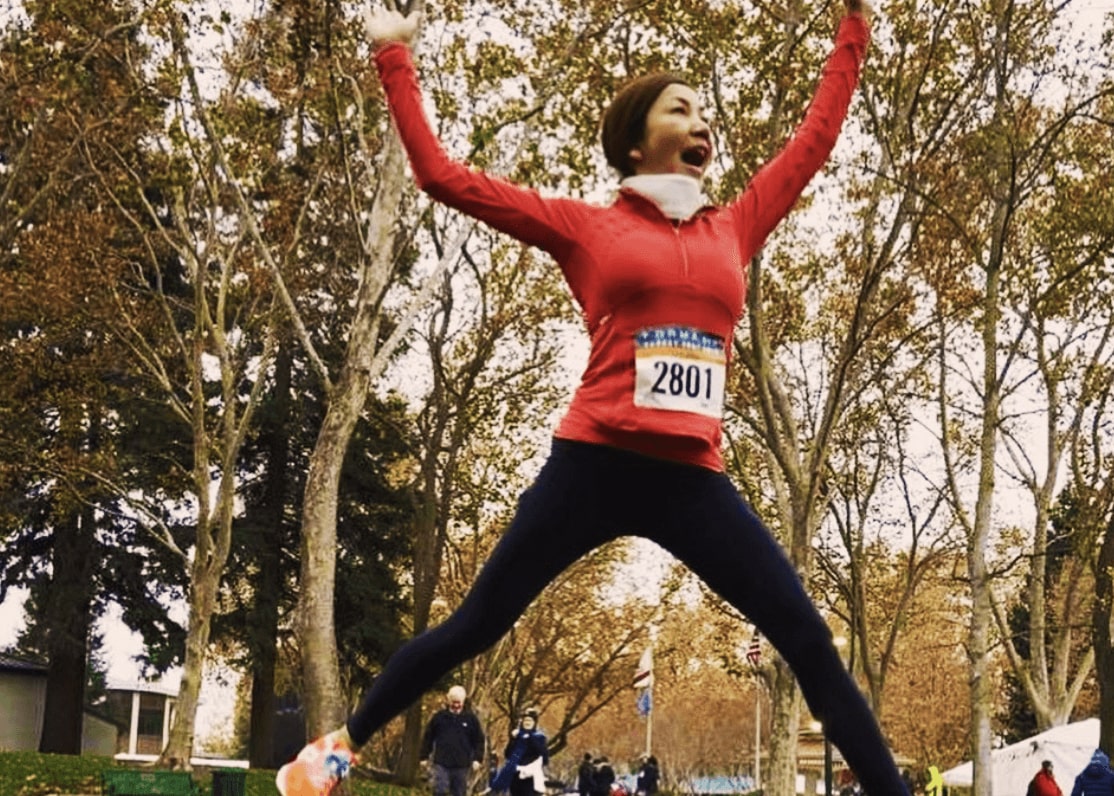
Celebrate the small stuff

By Export, Fitness, Mind Body, Nutrition

You have permission to be proud of yourself.

I am fortunate to have worked in the fitness industry my entire career, and to have witnessed some amazing accomplishments, from small but important to massive and life-changing. I have seen members achieve things they could have never imagined when they first joined Forma; it’s one of the great joys of working in this industry. 

Along the way, I’ve learned quite a bit.

Among the most important things I’ve learned is that the key to  staying on track is a positive mindset with willingness to celebrate all the “mini” accomplishments of a fitness and health journey. 

Give yourself a pat on the back after a great workout or after just making it to the gym. Likewise, congratulate yourself for choosing an apple instead of potato chips. 

By focusing on what you’re doing well, you’ll create positive momentum in moving from one step to the next.

During my 30 years in the health and wellness industry, I’ve learned that people who focus more on what they have actually achieved go farther – and  feel better about themselves – than those who scan the horizon, focusing for too long on what they have yet to accomplish. 

Forma Gym Fitness Director David Miller will get into more detail on goal-setting in an upcoming blog. We know that goal-setting looks very different from person-to-person; we want to help each individual develop a formula that works with their personality, habits, motivations and known distractions.

In the meantime, it’s time to celebrate what each of us has accomplished already.

As 2019 winds to a close, let’s look back on the forward motion we each made this year, in every aspect of life.

Maybe you made some positive changes to your diet this year, such as reducing sugar, adding vegetables, or drinking more water. Give yourself a pat on the back. Tell someone how it feels.

You might have started a regular walking schedule this year. Even 2-3 times per week for 20 minutes is beneficial and worth celebrating. Put your walking shoes back on and give yourself an extra mile as reward.

Did you try a new Mind/Body class or a Pilates Reformer class this year? Maybe you’d never thought yoga, barre, or even water exercise would be your thing, but you discovered that not only can you do it, but that you enjoyed it. Tell the person you met in class how you feel about it. They might celebrate you, too.

Or maybe you lost a few pounds or got a little stronger in 2019? Wow! Allow yourself to focus on how that accomplishment feels.

Even if you want or need to lose another 10 pounds, you’re moving in the right direction. Reflect on the mindset that allowed you to get where you are today and congratulate yourself.

Did you average two additional hours’ sleep per week? Excellent. Share your accomplishments and ask other people to tell you about theirs. Then listen, wholeheartedly, and support people when they share their accomplishments, especially the little ones.

The “small stuff” is the big stuff.

While you’re celebrating, be sure to remember to be grateful for the ability to do everything you can do. There are few actions or mindsets that are more liberating or joy-filling than those involving gratitude.

Remember to thank yourself! Then thank anyone who motivated you, knowingly or not, to achieve some of the steps towards what you hope to achieve.  

Having trouble noticing your accomplishments or figuring out which are worth celebrating? Come talk to one of us at the gym. I guarantee that any member of our team can help you discover an accomplishment you might not even realize you made. 

Go on. Be BOLD. Stop by the front desk or ask any one of us around the gym how to get started celebrating yourself and looking forward to what’s next for you. 

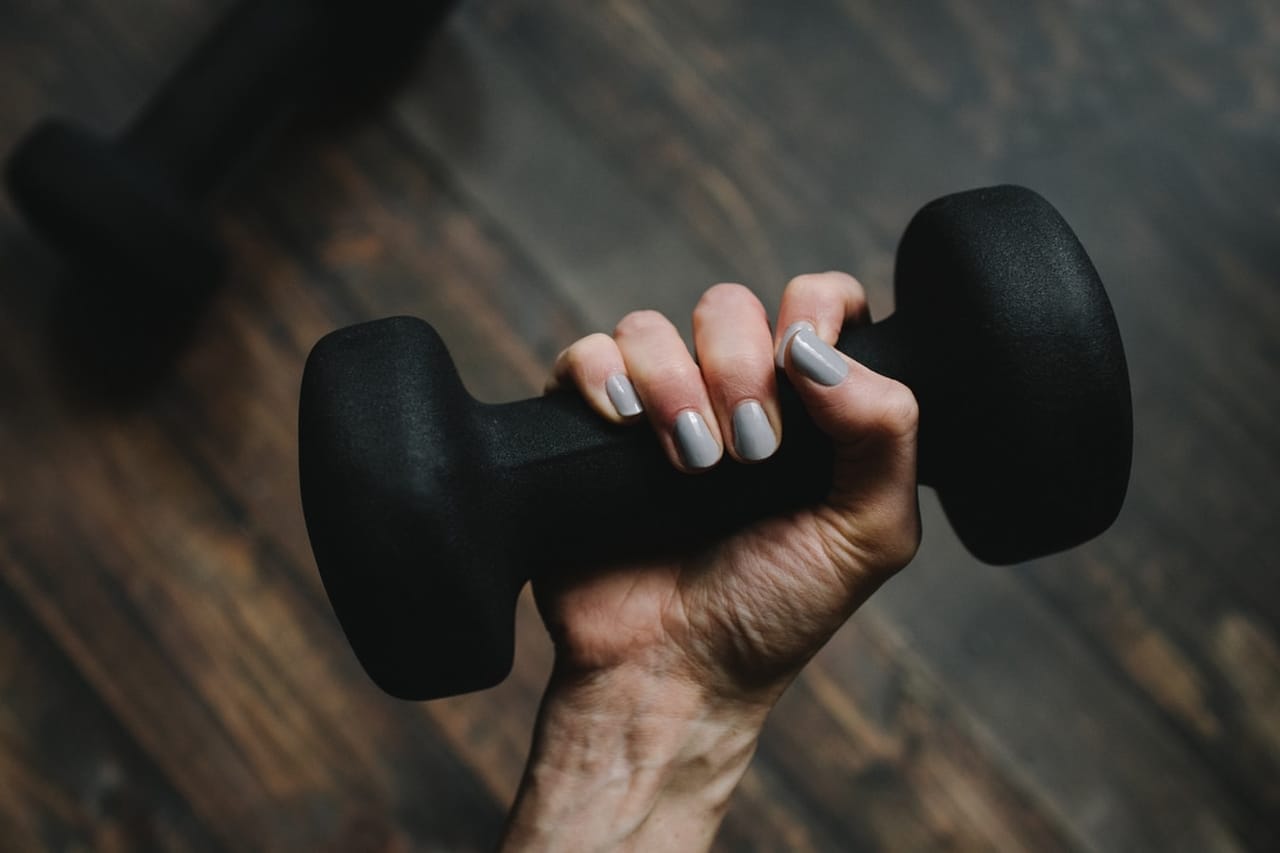
person-holding-black-dumbbell

Isotonic or Isometric Exercise:
Which Will Help You Most?

By Fitness

Generally speaking, exercising is moving your body in order to improve your physical health. You can do this in various ways, and different kinds of exercises require different types of muscle contraction. The two main ways muscles contract are isotonically and isometrically. In your pursuit of continuous growth, you should look to incorporate both types of exercise into your workout regimen.

For more tips on workouts that may fit your lifestyle, click the JOIN NOW button and schedule a visit to start your new fitness journey with Forma Gym!

JOIN NOW

Isotonic Exercise
Isotonic exercise is movement that requires muscles to resist weight over a range of motion, causing a change to the length of the muscle. We usually think of muscles shortening in isotonic exercise, as when you lift a dumbbell for a bicep curl or rise into a sit-up. This is called concentric muscle contraction. Eccentric muscle contractions, however, such as steadily extending your arm or lowering to the ground while resisting the pull of gravity are also an important part of isotonic exercise. Including a combination of these types of movements will help to increase muscle mass and strength and get the best results from your isotonic exercise.

What are some forms of isotonic exercise?
Aerobic exercises like walking, running, hiking, swimming, skiing, and dancing are all considered isotonic exercise. So are resistance training exercises that involve movement, such as squats, pushups, pull ups, bench presses, deadlifts, and bicep curls. Even everyday activities like house cleaning, lawn mowing, and gardening also provide isotonic exercise. Isotonic exercise does not have to be boring! It can be an adventure and a way to play every day while getting essential exercise.

What are the benefits of isotonic exercise?
Isotonic exercise helps to strengthen your cardiovascular system, as it results in increased oxygen consumption, heart rate, stroke volume, cardiac output, and muscular endurance while reducing the risk of heart disease. Isotonic exercise also improves bone density thanks to the consistent stress, which causes new bone to form. Stronger bones means you will be less likely to suffer a broken bone. Isotonic exercise also burns calories and improves important health numbers, such as cholesterol and blood sugar levels. Of course, it also helps to build bigger, stronger muscles, helping you to resist injury from strains, sprains, fractures, and falls. The more you participate in isotonic exercise, the easier it will get.


Related Article: Is it Better to Work Out in the Morning or at Night?


Isometric Exercise
Isometric exercise involves remaining in a static position while engaging the muscles. The joint doesn’t move, and the muscle neither lengthens or shortens, but the muscle’s tendon is activated. Isometric exercise is less effective for than isotonic exercise at increasing strength, speed, or overall athletic performance, but it can help to stabilize injured or weak joints to pave the way for more advanced training over time. Isometric exercise can be made more efficient by engaging both the upper and lower body simultaneously to work the major muscle groups.

What are some forms of isometric exercise?
Physical therapists often recommend isometric exercise for injury recovery, but many common exercises also fit into this category. Stationary exercises such as wall sits, planks, bridges, hollow-body holds, are isometric. While a yoga class involves isotonic elements as you move through the poses, each held pose is, in itself, an isometric exercise. Including a variety of isometric exercises in your workout routine not only makes it more interesting, but it also helps to work muscles in ways you may not be used to, making your exercise more effective.

What are the benefits of isometric exercise?
Isometric exercise is gentle on joints while still building and maintaining strength, making it ideal for those who need low impact exercise as a result of injury or arthritis. Also, if you have limited space in your home, isometric exercise is a good choice for getting a workout without having to head outdoors or to the gym. Isometric exercises build muscle, strength, and bone density while improving cholesterol levels and digestive function. Like all forms of exercise, isometric exercise helps to lower blood pressure. Individuals with high blood pressure, however, should approach isometric exercise with caution and consult their physicians before beginning any new exercise routine.


Any form of exercise will provide important health benefits. The best kind of exercise is an activity that you enjoy and are able to do regularly, and the biggest benefits are enjoyed by those who incorporate a variety of activities. Choose the best types of exercise for you based on your current state of health, your goals, and your personal preferences.


Man swimming in pool

Why Should You Work Out in the Pool?

By Fitness

Exercising in the water, whether you prefer swimming, water aerobics, or another activity, is an aerobic form of exercise that has a low impact on the body. As the fourth most popular sports activity in the U.S., swimming appeals to a wide range of people.


Why Aquatic Exercise?
Water-based exercise is a healthy and accessible choice for people of all ages and fitness levels. It allows individuals to set their own pace and is a highly effective way to burn calories. The Aquatic Exercise Association claims that a person can expect to burn 400 to 500 calories per hour of water-based exercise.


Natural Buoyancy
Exercising in the water offers a natural resistance—12 times more than air. When you’re submerged in water up to the neck, your weight can be reduced to just 10% of what it is on land. That resistance assists with building muscle because the muscles must exert more effort. Improved flexibility is another benefit of aquatic exercise because the joints have a larger range of motion when the body is in the water. Swimming works all of the major muscle groups, making it an excellent choice for exercising the entire body.


Improved Heart Health
Regular water-based exercise has been shown to improve heart health and cardiovascular strength because water lessens the strain and pressure on the body, allowing it to circulate blood more efficiently.


Respiratory System Boost
Swimming can increase your lung capacity and breathing control.


Fun Ways to Move
One of the reasons that many people avoid exercise is its repetitiveness. Incorporating water-based exercise can help keep exercise interesting and fun! You can experiment with different swimming strokes, racing, diving, water aerobics, polo, and swim aids like hand-held paddles, foam noodles, rings, or kickboards.


Improved Mood
Like all types of exercise, water-based exercise helps improve mental health and mood, thanks to the body’s release of endorphins. A 2014 study of people with dementia found that regular swimmers showed improved mood.


Aquatic exercise is a fun, healthy way to burn calories and build your cardiovascular and respiratory systems while also having a positive impact on your mental health. Exercising in the water is a great way to add variety to your workouts. For more tips on ways to stay healthy and incorporate new types of workouts into your routine, subscribe to our blog!


woman-exercising-with-box

Is Anaerobic or Aerobic Exercise Better for You?

By Fitness

If you want to improve your health, exercise is a great place to start. There are two main types of exercise—aerobic and anaerobic. Aerobic exercise means that your body uses oxygen to create energy, while in anaerobic exercise, the body relies on energy sources within the muscles. While both types of exercise are important, they have different effects.

Inactivity can be hazardous to your health. According to a study published in the World Journal of Cardiology, 30% of ischemic heart disease is caused by a lack of physical activity. The World Health Organization recommends that adults ages 18–64 should participate in at least 2.5 hours of moderate activity or 75 minutes of vigorous activity each week.

 
Anaerobic Exercises
Anaerobic exercise is done in short bursts of intense activity, which require more energy than what your body is able to produce with oxygen alone. This forces your body to turn glucose in your muscles into energy. Effective anaerobic exercise can only be sustained for 90 to 120 seconds before the body begins using oxygen to continue converting energy. The popular high-intensity interval training (HIIT), plyometrics, sprinting and weight lifting are all examples of anaerobic exercise.

 
Benefits of Anaerobic Exercise
Anaerobic exercise can burn more calories in a short amount of time while also building muscle mass and burning fat. The impact on your body also helps to strengthen joints and bones. Anaerobic exercise can benefit both cardiovascular and psychological health.

 
Aerobic Exercises
Aerobic exercise allows you to keep your heart rate up for an extended period of time because it can be sustained by your oxygen intake. Your body continuously fuels the muscles with oxygenated blood to support the exercise.

Any type of low- or moderate-intensity exercise is considered aerobic, including walking, running, cycling, dancing, water aerobics, spinning, elliptical exercise, swimming, cross-country skiing, skating, basketball, soccer, hiking, and racquet sports.

 
Benefits of Aerobic Exercise
Aerobic exercise burns fat using the oxygen that you inhale. Aerobic exercise is good for your cardiovascular system because it strengthens the heart and increases the maximum amount of oxygen your body can utilize, which increases your endurance. Research has shown that aerobic exercise can reduce the risk of developing many health issues, such as cancer, diabetes, osteoporosis, obesity, and can also help to alleviate anxiety and depression.


Any type of physical activity will benefit your body and mind, but the most effective exercise programs include a mixture of aerobic and anaerobic exercise and incorporate appropriate rest periods. The ways in which you can get aerobic and anaerobic exercise are nearly limitless, so pick some of your favorite activities, and have fun building a stronger, healthier body.

Turkey Trot

Get Ready for the Forma Gym Turkey Trot!

By Fitness

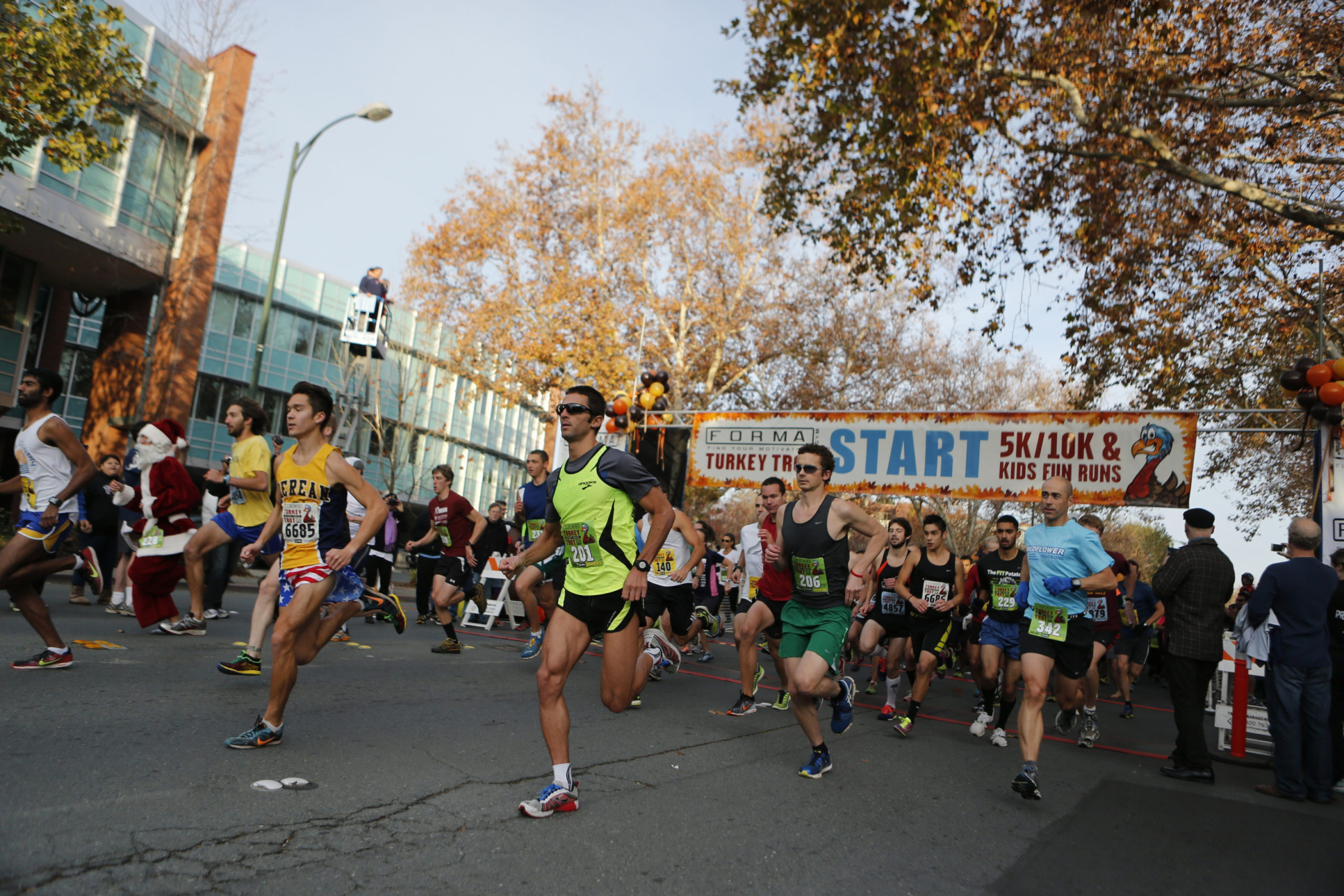
We are gearing up for our favorite Thanksgiving tradition—the Forma Gym Walnut Creek Turkey Trot! Before you settle in for dinner on Turkey Day, enjoy a little exercise with your community!

Options Abound
The Turkey Trot offers several races to choose from, including a 5k, 10k, and a selection of fun runs for the kids. Make sure to stop by the festival area and check out our costume contest so you can have fun and let your creative side shine! Thanksgiving Day will be here before we know it, so here are some tips on how to prepare—even if you have never participated in a race before! All you need to get started is some supportive running shoes and a timer or stopwatch.

Start Slowly
A training program should include a healthy mix of running, walking, and rest days, which reduces the chance of injury, stress, and wearing yourself out before the race. Starting out, you may only run for 10 seconds while walking for the rest of a minute, and that is OK, says former long-distance track Olympian and author Jeff Galloway. Over time, you’ll work your way up to more running and less walking. To help get you started, we have a free Training and Nutrition Plan available that will help keep you focused if you are not sure how to gradually increase your workout intensity.

Day of Rest
Be sure to always have one day of rest per week so your muscles can recuperate. Your body needs rest to allow you to recover and maximize your performance. Each time you run, the body breaks down a bit from tissue damage. Rest and recovery afterward is critical to allowing your body to adapt. “Rest is not a four-letter word to be ignored,” says Kevin Vincent, M.D., Ph.D., director of the University of Florida Running Medicine Clinic. Because we feel so strongly about proper recovery, we recently brought cryotherapy to Forma, and we also offer sports massage. We encourage everyone to try different things and to experience the recovery and health benefits each modality can offer, then decide what works best for their body.

Add Strength Training to the Mix
Strength training can address the muscle imbalances and weaknesses caused by modern sedentary lifestyles, better enabling your body to resist injury. Sports and exercise scientist and author Kenji Doma, Ph.D., at James Cook University in Queensland, Australia, says that strength training decreases the energy needed for reaching the pace you want to hit during running. The brain recruits the muscles that are most resistant to tiring out, so your body needs less energy to do the same task.

Buddy Up
Running with a friend is a great way to give yourself a gentle push and help you stay on track with your training regimen. It is also much more fun to run with a friend than by yourself, and the conversation and socializing are just as good for you as the exercise. Having a similar goal and working towards that goal together is excellent for building relationships and adds a built-in support system. Join the Forma Gym Club on Strava to share your progress and cheer each other on!

Register Today
The Turkey Trot is truly a community event, supporting organizations that include the Food Bank of Contra Costa & Solano, Walnut Creek Education Foundation (WCEF), Partners for Educational Achievement (PEAK), and the Forma Kids Foundation. Forma Gym is proud to host this annual community event that celebrates health, giving, and our local community. Registervolunteer or donate today!

person-in-running-shoes-going-up-stairs

Is it Better to Work Out in the Morning or at Night?

By Fitness

When you’re trying to get back into a regular exercise routine (or trying to start one for the first time), finding time in your day to work out can be challenging. Waking up early might mean sacrificing needed sleep, and waiting until later in the day makes it more likely that competing obligations will get in the way of your plans to hit the gym. When really is the best time to exercise?

While there can be benefits to both, exercising in the morning may be best.
Exercising bright and early provides a natural energy boost—a great benefit if you find yourself relying heavily on caffeine to get your day going. It can also boost your mood as well as your productivity throughout the day.

Waking up early to work out can actually help shift your body clock so you become naturally more alert earlier in the day and go to sleep more easily at night. So, once you establish a routine, waking up early to work out won’t have to mean losing precious sleep time. Exercising early in the morning can also help you stick with your fitness routine, which is necessary in order to see a substantial benefit.

If weight loss is one of your primary fitness goals, beginning your day in a healthy way sets you up to make healthier choices, like what to eat for lunch, as the day continues. Exercising on an empty stomach first thing in the morning is also a fantastic way to burn stored fat as well as speed up your metabolism so you burn more calories throughout the day.

If you really aren’t a morning person, work out whenever it suits you best.
Afternoons can be just as good for your physical and mental health, particularly if you are focusing on improving your performance rather than losing weight or just getting the workout done and out of the way. After having eaten during the day, you’ll have the energy for a more intense workout.

If you choose to work out later in the day, notice how an afternoon or evening workout affects your sleeping patterns. Since exercise is a natural stimulant, this could make it harder to fall asleep as early as you might like or delay the deeper phases of sleep. If you notice difficulty falling asleep or feeling drowsy in the morning, you might consider shifting your workout to earlier in the day.

The most important thing about working out is to do it; there is no bad time to exercise. Prioritize being as consistent as possible. Consistency is easiest when you choose activities that you enjoy and set up a routine that fits your body and fitness goals.


Healthy Lifestyle

Create a Healthy Lifestyle with Mind Body

By Mind Body

There’s more to a healthy lifestyle than eating nutritional foods, exercising regularly, drinking water, and getting plenty of sleep. Sure, all of those things are important to maintain your physical health, but now more than ever, scientists are discovering how important mental health is as well. The mind-body connection is the path to creating a healthy lifestyle.


What is Mind-Body?
The mind-body connection is understood that your thoughts, attitudes, beliefs and feelings can affect your physical functioning both positively and negatively. The health of your mind can affect the overall health of your body. You can eat vegetables all day long but if you’re constantly stressed out, then your health will suffer!


The importance of the connection
The mind affects the body, and the body affects the mind. Maintaining a healthy lifestyle means monitoring your stress, anxiety, emotions, and overall mental health. Here are a few examples of how emotional health can take a toll on physical health:

– It is estimated that 95% of all illnesses can be caused or aggravated by stress.

– People with high-stress levels are more likely to catch a common cold.

– Mental health issues such as depression have been linked to heart disease, strokes, and diabetes.

– People with an inability to cope with anger have a greater risk of developing heart arrhythmias.

– Those with substance abuse or mental health problems have a lower life expectancy (decades lower) than the general population.


How you can use Mind-Body to create a healthy lifestyle
Convinced now that your mental health is just as important as your physical health? The two must go hand in hand to be a whole, healthy person. Here’s how you can use the mind-body connection to create a healthy lifestyle for yourself:

Exercise regularly
Exercise increases your levels of oxygen and endorphins, making you more alert and more energetic. Individuals who exercise regularly (20 to 30 minutes a day) are less stressed, anxious, depressed and have a greater sense of well-being.

Proper nutrition
Eating healthy foods can reduce physical problems such as fatigue, and give you energy to think faster and more clearly.

Laugh often
Laughter really is the best medicine. It has been found to reduce pain, increase creativity, and speed up the healing process. Make it a priority to spend more time with people who make you laugh.

Get enough sleep
Aim to get between 7 to 8 hours of sleep each night. Habitually not getting enough sleep weakens your immune system, contributes to depression and weight gain, and speeds up the aging process.

Keep a positive attitude
A positive attitude can affect your health. How you handle stress can determine how it affects you. A positive attitude also allows you to take a step back and make healthier decisions overall instead of just reacting to the situation.

Be part of a group/community
Being part of a group can provide a sense of purpose and increase longevity, in addition to other physical benefits. One study showed women with metastatic breast cancer who participated in support groups had double the survival rates.


Forma’s Mind-Body Offerings
At Forma Gym, we understand how important the mind-body connection is. Our Mind-Body program is designed to facilitate wellness, recovery, and healing by making movement and conscious attention a lifestyle practice. We offer workshops, classes, and various different modalities to help you find the mind-body practice that works for you to create and maintain a healthy lifestyle.

Meal Prep

Meal Prep Tips: Better Nutrition Made Easy

By Nutrition

With so many things on our plate, it’s a huge challenge to serve nutritious meals without a little work on your part. Mealtimes roll around very quickly, and if you haven’t made any efforts to plan ahead, you may end up making some unhealthy choices. A little planning can help take the stress out of it, and allow you to enjoy healthy, delicious meals without all the guesswork.


Here are some of the benefits of meal prepping:
1. Choose more nutritious foods
Grabbing what’s available when you’re hungry often means you reach for less nutritious foods. Putting in a little effort to plan out meals and doing some prep work in advance means you can choose a variety of nutritious foods that you will enjoy throughout the week.

2. Less stressful for you
Life is busy! In between work, commuting, sports practices and school pick-ups, your day is filled with activities. Mealtimes come quick and you can get hangry fast. Prepping healthy nutrition-based foods in advance can help avoid this so you can just grab and go.

3. Save money
If you set aside a little time to plan and prep healthy nutrition, you will save money on your food costs. Prepping means fewer convenience store foods, takeout orders, and trips through the drive-through. Planning in advance can make a big impact on your wallet.


Meal Prep Tips for Healthy Nutrition
So where do you begin with meal prepping? If this is a newer concept or something you want to get back into doing after taking a break, we have some tips to make it a little easier!

Tip #1 – Start collecting recipes and create a template
Think about what kinds of food you’d like to see incorporated into meals. If you’re a parent, letting kids participate or choosing foods will get them excited about the process and encourage healthy eating habits. Start a monthly calendar to record your meal ideas and shopping lists.

Tip #2 – Assign specific foods to days of the week
Make your life easy by doing things like “Meatless Monday” and “Taco Tuesday.” You can vary these recipes each week but keep a theme to make planning and prep much easier.

Tip #3 – Set aside a day and time to plan
Choose one day of the week where you will decide the meals for the week, make a shopping list, and buy all of your food. Set this time aside and make arrangements so you won’t have any distractions or interruptions.

Tip #4 – Multitask and batch cook
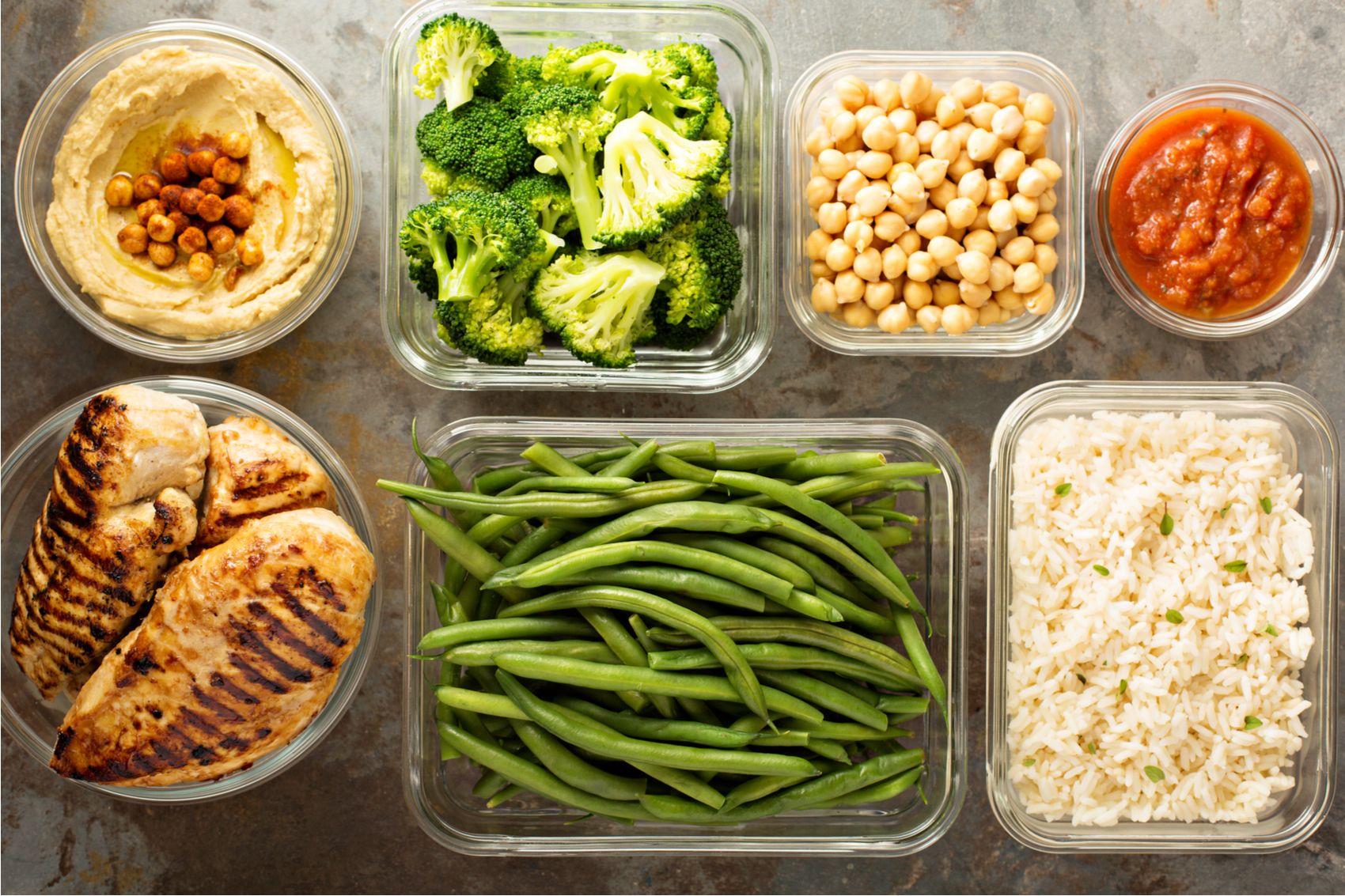
Prep large batches of food in advance that you can use in different recipes throughout the week. For example, you can cook shredded chicken in a crockpot to later use for tacos, salads, or soup recipes. While your chicken cooks, you can also wash and chop fruits and vegetables and hard boil eggs that your family can enjoy throughout the week.

Tip #5 – Double Up
Double the recipe of the meal you are making so you can use for multiple meals. Things like soups, enchiladas, and sauces can easily be stored in the freezer and served another day. Your future self will thank you!


Meal Prep Ideas
Get started with healthy nutrition and meal prep with these simple recipes:

Ginger Soy Glazed Chicken

Basil Avocado Shrimp Salad Wraps & Sweet Potato Chips

Baked Lime Chicken Bowls

Overnight Oats

Garlic Parmesan Kale Pasta

Bolognese with Zucchini and Artichokes

Breakfast burritos

Beef and Broccoli

Greek Couscous Salad

Honey Sriracha Glazed Meatballs

Once you start meal prepping, you’ll create new routines and habits that work best for you. Make sure you set aside some time each week and have a plan in place. Meal prepping will make mealtimes less stressful and more enjoyable so you have more time to do the things you love.