Celebrate the small stuff

By Export, Fitness, Mind Body, Nutrition No Comments

You have permission to be proud of yourself.

I am fortunate to have worked in the fitness industry my entire career, and to have witnessed some amazing accomplishments, from small but important to massive and life-changing. I have seen members achieve things they could have never imagined when they first joined Forma; it’s one of the great joys of working in this industry. 

Along the way, I’ve learned quite a bit.

Among the most important things I’ve learned is that the key to  staying on track is a positive mindset with willingness to celebrate all the “mini” accomplishments of a fitness and health journey. 

Give yourself a pat on the back after a great workout or after just making it to the gym. Likewise, congratulate yourself for choosing an apple instead of potato chips. 

By focusing on what you’re doing well, you’ll create positive momentum in moving from one step to the next.

During my 30 years in the health and wellness industry, I’ve learned that people who focus more on what they have actually achieved go farther – and  feel better about themselves – than those who scan the horizon, focusing for too long on what they have yet to accomplish. 

Forma Gym Fitness Director David Miller will get into more detail on goal-setting in an upcoming blog. We know that goal-setting looks very different from person-to-person; we want to help each individual develop a formula that works with their personality, habits, motivations and known distractions.

In the meantime, it’s time to celebrate what each of us has accomplished already.

As 2019 winds to a close, let’s look back on the forward motion we each made this year, in every aspect of life.

Maybe you made some positive changes to your diet this year, such as reducing sugar, adding vegetables, or drinking more water. Give yourself a pat on the back. Tell someone how it feels.

You might have started a regular walking schedule this year. Even 2-3 times per week for 20 minutes is beneficial and worth celebrating. Put your walking shoes back on and give yourself an extra mile as reward.

Did you try a new Mind/Body class or a Pilates Reformer class this year? Maybe you’d never thought yoga, barre, or even water exercise would be your thing, but you discovered that not only can you do it, but that you enjoyed it. Tell the person you met in class how you feel about it. They might celebrate you, too.

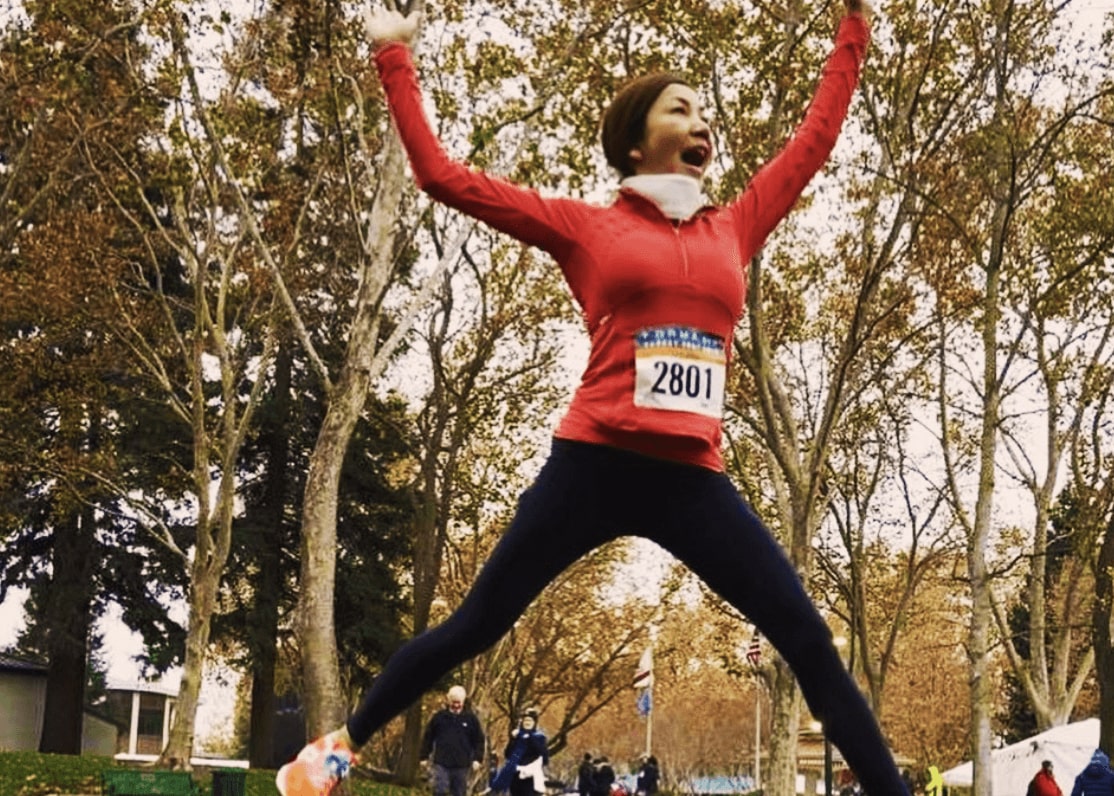
Or maybe you lost a few pounds or got a little stronger in 2019? Wow! Allow yourself to focus on how that accomplishment feels.

Even if you want or need to lose another 10 pounds, you’re moving in the right direction. Reflect on the mindset that allowed you to get where you are today and congratulate yourself.

Did you average two additional hours’ sleep per week? Excellent. Share your accomplishments and ask other people to tell you about theirs. Then listen, wholeheartedly, and support people when they share their accomplishments, especially the little ones.

The “small stuff” is the big stuff.

While you’re celebrating, be sure to remember to be grateful for the ability to do everything you can do. There are few actions or mindsets that are more liberating or joy-filling than those involving gratitude.

Remember to thank yourself! Then thank anyone who motivated you, knowingly or not, to achieve some of the steps towards what you hope to achieve.  

Having trouble noticing your accomplishments or figuring out which are worth celebrating? Come talk to one of us at the gym. I guarantee that any member of our team can help you discover an accomplishment you might not even realize you made. 

Go on. Be BOLD. Stop by the front desk or ask any one of us around the gym how to get started celebrating yourself and looking forward to what’s next for you. 

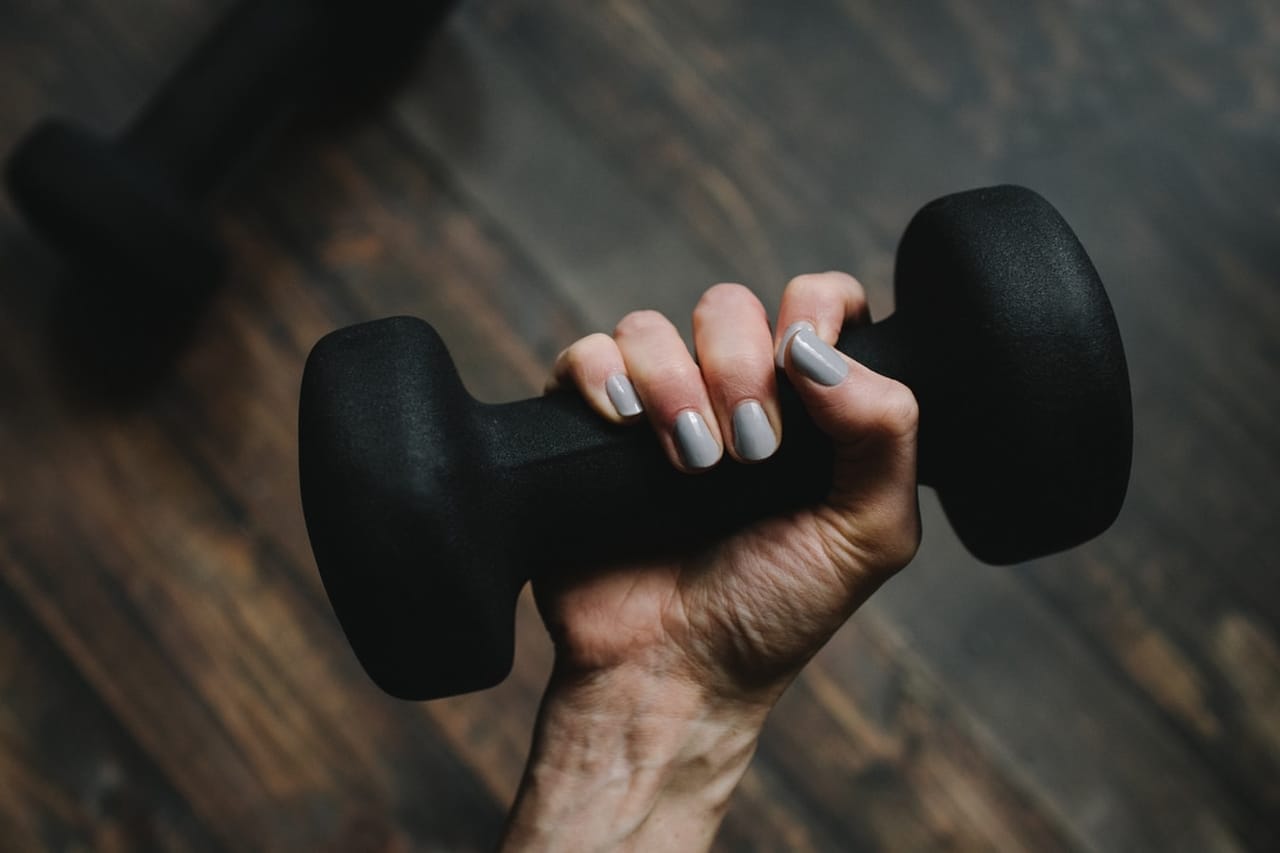
person-holding-black-dumbbell

Isotonic or Isometric Exercise:
Which Will Help You Most?

By Fitness No Comments

Generally speaking, exercising is moving your body in order to improve your physical health. You can do this in various ways, and different kinds of exercises require different types of muscle contraction. The two main ways muscles contract are isotonically and isometrically. In your pursuit of continuous growth, you should look to incorporate both types of exercise into your workout regimen.

For more tips on workouts that may fit your lifestyle, click the JOIN NOW button and schedule a visit to start your new fitness journey with Forma Gym!

JOIN NOW

Isotonic Exercise
Isotonic exercise is movement that requires muscles to resist weight over a range of motion, causing a change to the length of the muscle. We usually think of muscles shortening in isotonic exercise, as when you lift a dumbbell for a bicep curl or rise into a sit-up. This is called concentric muscle contraction. Eccentric muscle contractions, however, such as steadily extending your arm or lowering to the ground while resisting the pull of gravity are also an important part of isotonic exercise. Including a combination of these types of movements will help to increase muscle mass and strength and get the best results from your isotonic exercise.

What are some forms of isotonic exercise?
Aerobic exercises like walking, running, hiking, swimming, skiing, and dancing are all considered isotonic exercise. So are resistance training exercises that involve movement, such as squats, pushups, pull ups, bench presses, deadlifts, and bicep curls. Even everyday activities like house cleaning, lawn mowing, and gardening also provide isotonic exercise. Isotonic exercise does not have to be boring! It can be an adventure and a way to play every day while getting essential exercise.

What are the benefits of isotonic exercise?
Isotonic exercise helps to strengthen your cardiovascular system, as it results in increased oxygen consumption, heart rate, stroke volume, cardiac output, and muscular endurance while reducing the risk of heart disease. Isotonic exercise also improves bone density thanks to the consistent stress, which causes new bone to form. Stronger bones means you will be less likely to suffer a broken bone. Isotonic exercise also burns calories and improves important health numbers, such as cholesterol and blood sugar levels. Of course, it also helps to build bigger, stronger muscles, helping you to resist injury from strains, sprains, fractures, and falls. The more you participate in isotonic exercise, the easier it will get.


Related Article: Is it Better to Work Out in the Morning or at Night?


Isometric Exercise
Isometric exercise involves remaining in a static position while engaging the muscles. The joint doesn’t move, and the muscle neither lengthens or shortens, but the muscle’s tendon is activated. Isometric exercise is less effective for than isotonic exercise at increasing strength, speed, or overall athletic performance, but it can help to stabilize injured or weak joints to pave the way for more advanced training over time. Isometric exercise can be made more efficient by engaging both the upper and lower body simultaneously to work the major muscle groups.

What are some forms of isometric exercise?
Physical therapists often recommend isometric exercise for injury recovery, but many common exercises also fit into this category. Stationary exercises such as wall sits, planks, bridges, hollow-body holds, are isometric. While a yoga class involves isotonic elements as you move through the poses, each held pose is, in itself, an isometric exercise. Including a variety of isometric exercises in your workout routine not only makes it more interesting, but it also helps to work muscles in ways you may not be used to, making your exercise more effective.

What are the benefits of isometric exercise?
Isometric exercise is gentle on joints while still building and maintaining strength, making it ideal for those who need low impact exercise as a result of injury or arthritis. Also, if you have limited space in your home, isometric exercise is a good choice for getting a workout without having to head outdoors or to the gym. Isometric exercises build muscle, strength, and bone density while improving cholesterol levels and digestive function. Like all forms of exercise, isometric exercise helps to lower blood pressure. Individuals with high blood pressure, however, should approach isometric exercise with caution and consult their physicians before beginning any new exercise routine.


Any form of exercise will provide important health benefits. The best kind of exercise is an activity that you enjoy and are able to do regularly, and the biggest benefits are enjoyed by those who incorporate a variety of activities. Choose the best types of exercise for you based on your current state of health, your goals, and your personal preferences.

 

Man swimming in pool

Why Should You Work Out in the Pool?

By Fitness No Comments

Exercising in the water, whether you prefer swimming, water aerobics, or another activity, is an aerobic form of exercise that has a low impact on the body. As the fourth most popular sports activity in the U.S., swimming appeals to a wide range of people.


Why Aquatic Exercise?
Water-based exercise is a healthy and accessible choice for people of all ages and fitness levels. It allows individuals to set their own pace and is a highly effective way to burn calories. The Aquatic Exercise Association claims that a person can expect to burn 400 to 500 calories per hour of water-based exercise.


Natural Buoyancy
Exercising in the water offers a natural resistance—12 times more than air. When you’re submerged in water up to the neck, your weight can be reduced to just 10% of what it is on land. That resistance assists with building muscle because the muscles must exert more effort. Improved flexibility is another benefit of aquatic exercise because the joints have a larger range of motion when the body is in the water. Swimming works all of the major muscle groups, making it an excellent choice for exercising the entire body.


Improved Heart Health
Regular water-based exercise has been shown to improve heart health and cardiovascular strength because water lessens the strain and pressure on the body, allowing it to circulate blood more efficiently.


Respiratory System Boost
Swimming can increase your lung capacity and breathing control.


Fun Ways to Move
One of the reasons that many people avoid exercise is its repetitiveness. Incorporating water-based exercise can help keep exercise interesting and fun! You can experiment with different swimming strokes, racing, diving, water aerobics, polo, and swim aids like hand-held paddles, foam noodles, rings, or kickboards.


Improved Mood
Like all types of exercise, water-based exercise helps improve mental health and mood, thanks to the body’s release of endorphins. A 2014 study of people with dementia found that regular swimmers showed improved mood.


Aquatic exercise is a fun, healthy way to burn calories and build your cardiovascular and respiratory systems while also having a positive impact on your mental health. Exercising in the water is a great way to add variety to your workouts. For more tips on ways to stay healthy and incorporate new types of workouts into your routine, subscribe to our blog!


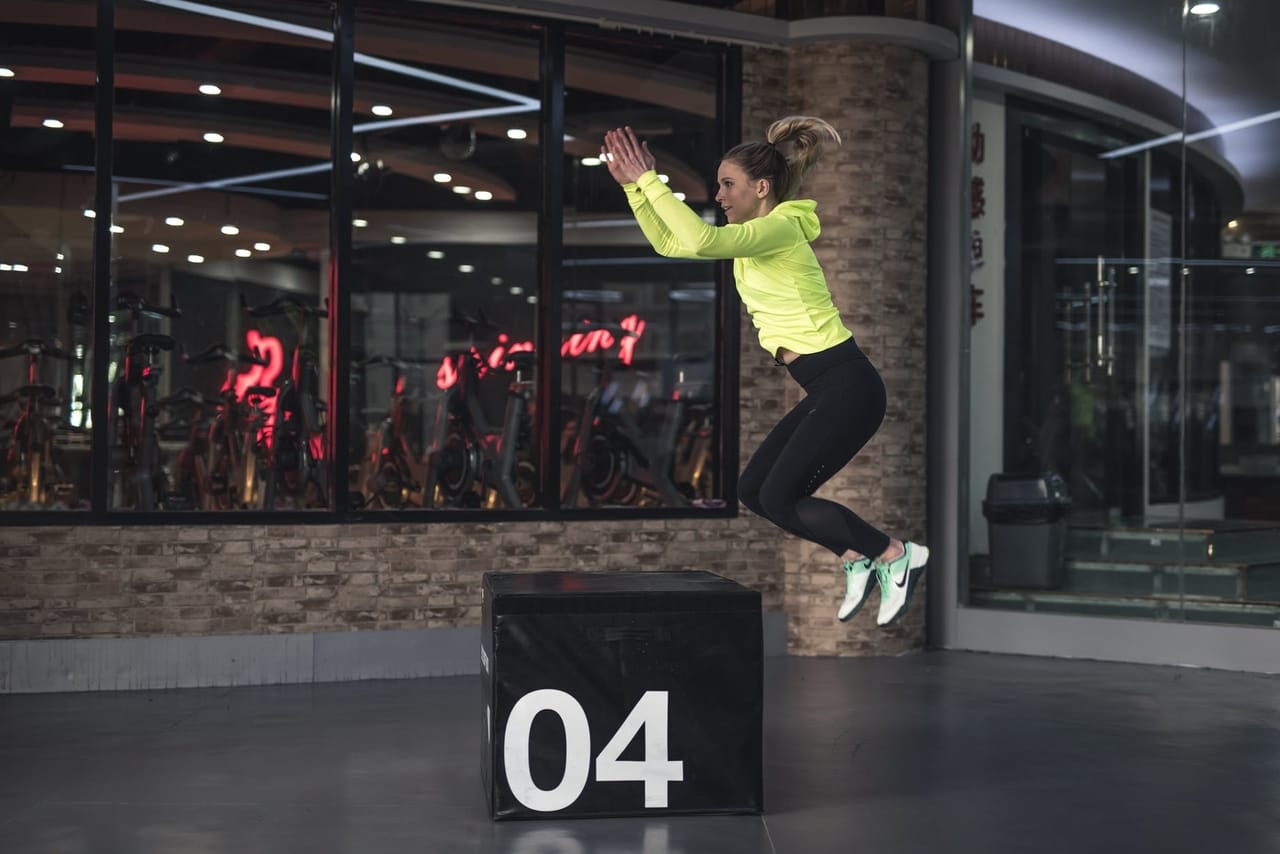
woman-exercising-with-box

Is Anaerobic or Aerobic Exercise Better for You?

By Fitness No Comments

If you want to improve your health, exercise is a great place to start. There are two main types of exercise—aerobic and anaerobic. Aerobic exercise means that your body uses oxygen to create energy, while in anaerobic exercise, the body relies on energy sources within the muscles. While both types of exercise are important, they have different effects.

Inactivity can be hazardous to your health. According to a study published in the World Journal of Cardiology, 30% of ischemic heart disease is caused by a lack of physical activity. The World Health Organization recommends that adults ages 18–64 should participate in at least 2.5 hours of moderate activity or 75 minutes of vigorous activity each week.

 
Anaerobic Exercises
Anaerobic exercise is done in short bursts of intense activity, which require more energy than what your body is able to produce with oxygen alone. This forces your body to turn glucose in your muscles into energy. Effective anaerobic exercise can only be sustained for 90 to 120 seconds before the body begins using oxygen to continue converting energy. The popular high-intensity interval training (HIIT), plyometrics, sprinting and weight lifting are all examples of anaerobic exercise.

 
Benefits of Anaerobic Exercise
Anaerobic exercise can burn more calories in a short amount of time while also building muscle mass and burning fat. The impact on your body also helps to strengthen joints and bones. Anaerobic exercise can benefit both cardiovascular and psychological health.

 
Aerobic Exercises
Aerobic exercise allows you to keep your heart rate up for an extended period of time because it can be sustained by your oxygen intake. Your body continuously fuels the muscles with oxygenated blood to support the exercise.

Any type of low- or moderate-intensity exercise is considered aerobic, including walking, running, cycling, dancing, water aerobics, spinning, elliptical exercise, swimming, cross-country skiing, skating, basketball, soccer, hiking, and racquet sports.

 
Benefits of Aerobic Exercise
Aerobic exercise burns fat using the oxygen that you inhale. Aerobic exercise is good for your cardiovascular system because it strengthens the heart and increases the maximum amount of oxygen your body can utilize, which increases your endurance. Research has shown that aerobic exercise can reduce the risk of developing many health issues, such as cancer, diabetes, osteoporosis, obesity, and can also help to alleviate anxiety and depression.


Any type of physical activity will benefit your body and mind, but the most effective exercise programs include a mixture of aerobic and anaerobic exercise and incorporate appropriate rest periods. The ways in which you can get aerobic and anaerobic exercise are nearly limitless, so pick some of your favorite activities, and have fun building a stronger, healthier body.

Turkey Trot

Get Ready for the Forma Gym Turkey Trot!

By Fitness No Comments

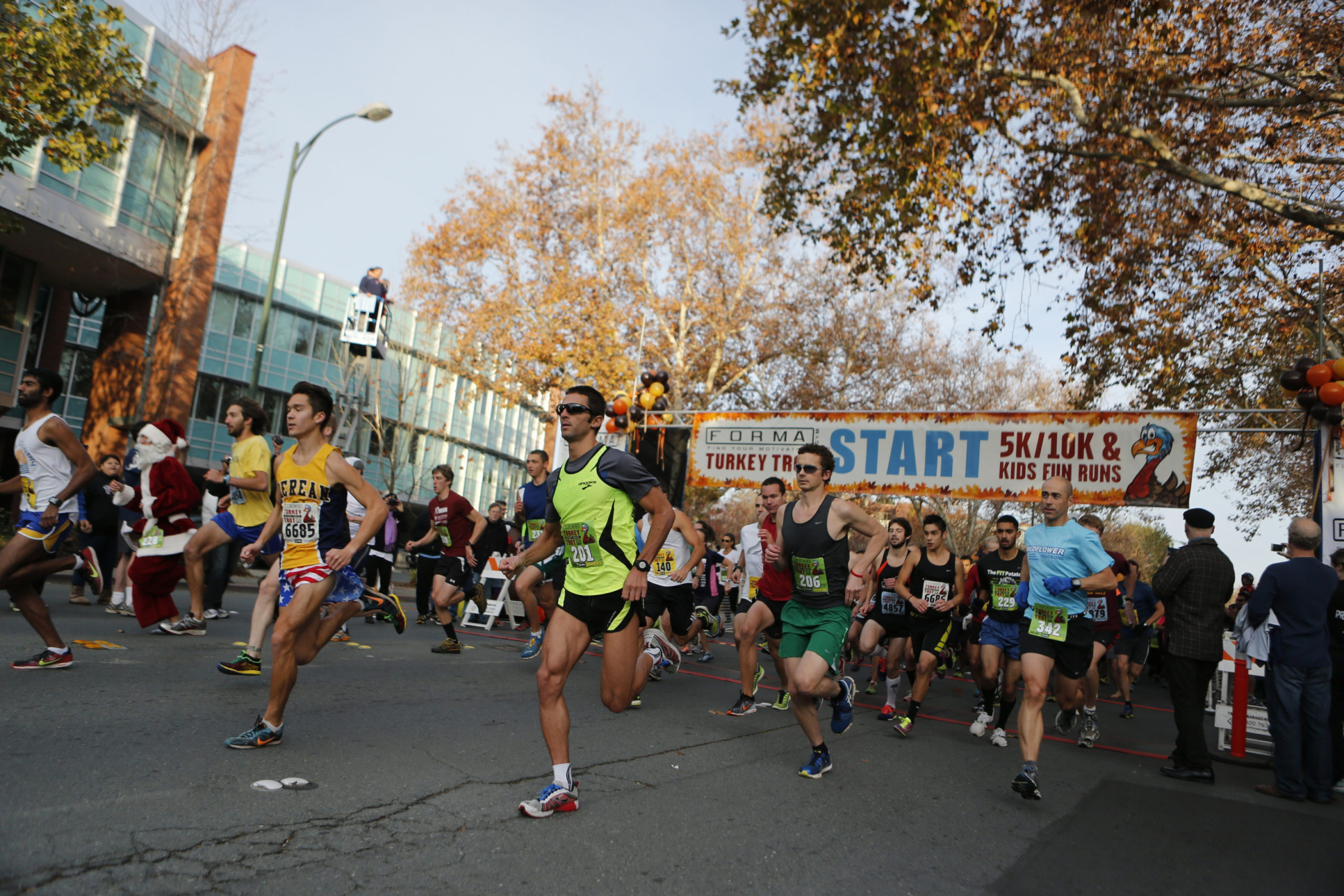
We are gearing up for our favorite Thanksgiving tradition—the Forma Gym Walnut Creek Turkey Trot! Before you settle in for dinner on Turkey Day, enjoy a little exercise with your community!

Options Abound
The Turkey Trot offers several races to choose from, including a 5k, 10k, and a selection of fun runs for the kids. Make sure to stop by the festival area and check out our costume contest so you can have fun and let your creative side shine! Thanksgiving Day will be here before we know it, so here are some tips on how to prepare—even if you have never participated in a race before! All you need to get started is some supportive running shoes and a timer or stopwatch.

Start Slowly
A training program should include a healthy mix of running, walking, and rest days, which reduces the chance of injury, stress, and wearing yourself out before the race. Starting out, you may only run for 10 seconds while walking for the rest of a minute, and that is OK, says former long-distance track Olympian and author Jeff Galloway. Over time, you’ll work your way up to more running and less walking. To help get you started, we have a free Training and Nutrition Plan available that will help keep you focused if you are not sure how to gradually increase your workout intensity.

Day of Rest
Be sure to always have one day of rest per week so your muscles can recuperate. Your body needs rest to allow you to recover and maximize your performance. Each time you run, the body breaks down a bit from tissue damage. Rest and recovery afterward is critical to allowing your body to adapt. “Rest is not a four-letter word to be ignored,” says Kevin Vincent, M.D., Ph.D., director of the University of Florida Running Medicine Clinic. Because we feel so strongly about proper recovery, we recently brought cryotherapy to Forma, and we also offer sports massage. We encourage everyone to try different things and to experience the recovery and health benefits each modality can offer, then decide what works best for their body.

Add Strength Training to the Mix
Strength training can address the muscle imbalances and weaknesses caused by modern sedentary lifestyles, better enabling your body to resist injury. Sports and exercise scientist and author Kenji Doma, Ph.D., at James Cook University in Queensland, Australia, says that strength training decreases the energy needed for reaching the pace you want to hit during running. The brain recruits the muscles that are most resistant to tiring out, so your body needs less energy to do the same task.

Buddy Up
Running with a friend is a great way to give yourself a gentle push and help you stay on track with your training regimen. It is also much more fun to run with a friend than by yourself, and the conversation and socializing are just as good for you as the exercise. Having a similar goal and working towards that goal together is excellent for building relationships and adds a built-in support system. Join the Forma Gym Club on Strava to share your progress and cheer each other on!

Register Today
The Turkey Trot is truly a community event, supporting organizations that include the Food Bank of Contra Costa & Solano, Walnut Creek Education Foundation (WCEF), Partners for Educational Achievement (PEAK), and the Forma Kids Foundation. Forma Gym is proud to host this annual community event that celebrates health, giving, and our local community. Registervolunteer or donate today!

person-in-running-shoes-going-up-stairs

Is it Better to Work Out in the Morning or at Night?

By Fitness No Comments

When you’re trying to get back into a regular exercise routine (or trying to start one for the first time), finding time in your day to work out can be challenging. Waking up early might mean sacrificing needed sleep, and waiting until later in the day makes it more likely that competing obligations will get in the way of your plans to hit the gym. When really is the best time to exercise?

While there can be benefits to both, exercising in the morning may be best.
Exercising bright and early provides a natural energy boost—a great benefit if you find yourself relying heavily on caffeine to get your day going. It can also boost your mood as well as your productivity throughout the day.

Waking up early to work out can actually help shift your body clock so you become naturally more alert earlier in the day and go to sleep more easily at night. So, once you establish a routine, waking up early to work out won’t have to mean losing precious sleep time. Exercising early in the morning can also help you stick with your fitness routine, which is necessary in order to see a substantial benefit.

If weight loss is one of your primary fitness goals, beginning your day in a healthy way sets you up to make healthier choices, like what to eat for lunch, as the day continues. Exercising on an empty stomach first thing in the morning is also a fantastic way to burn stored fat as well as speed up your metabolism so you burn more calories throughout the day.

If you really aren’t a morning person, work out whenever it suits you best.
Afternoons can be just as good for your physical and mental health, particularly if you are focusing on improving your performance rather than losing weight or just getting the workout done and out of the way. After having eaten during the day, you’ll have the energy for a more intense workout.

If you choose to work out later in the day, notice how an afternoon or evening workout affects your sleeping patterns. Since exercise is a natural stimulant, this could make it harder to fall asleep as early as you might like or delay the deeper phases of sleep. If you notice difficulty falling asleep or feeling drowsy in the morning, you might consider shifting your workout to earlier in the day.

The most important thing about working out is to do it; there is no bad time to exercise. Prioritize being as consistent as possible. Consistency is easiest when you choose activities that you enjoy and set up a routine that fits your body and fitness goals.


Fitness Coaching

The Benefits of Working with A Fitness Coach

By Fitness No Comments

Sometimes flying solo at the gym can only get you so far. You’re putting in the work and making a solid effort but still not getting the results you want. Or, maybe you just started working out and need a little help to kickstart your fitness training.

A fitness coach might be just the boost you need to reach your goals. They are educated in exercise science and nutrition and have many roles. They are coaches, cheerleaders, friends, motivators, and teachers, all in one!


The Benefits of Training with a Fitness Coach
There are many benefits to working with a fitness coach. Here are some of the top benefits:

Effective workouts: They can look at your current workout and make tweaks to make it more efficient and effective, and make sure not spending your time and effort doing the wrong routine for your goals.

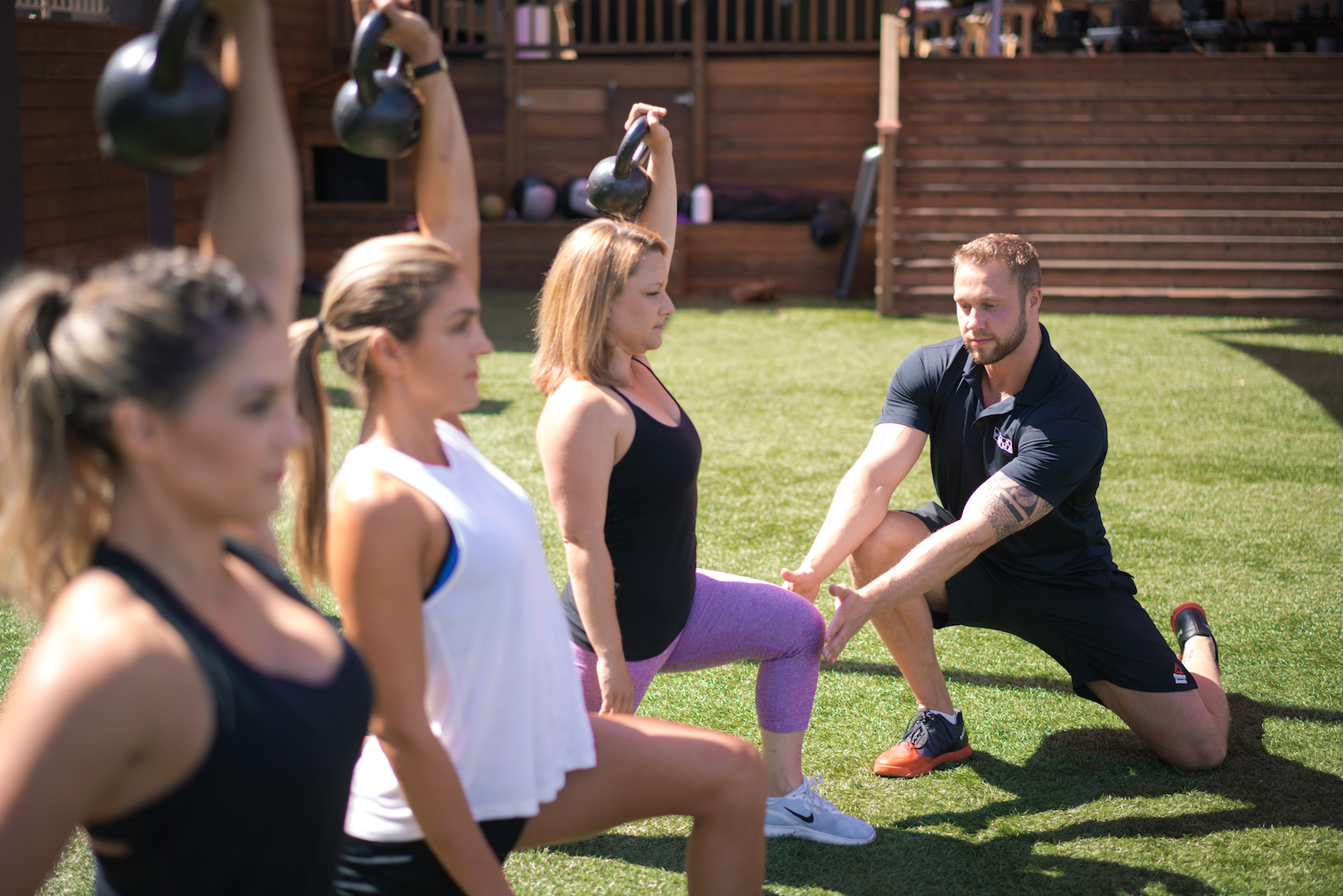
Proper form: There’s no point in doing 100 lunges if you’re doing them incorrectly. Proper form is critical to preventing injury and building muscle. Fitness coaches can help you achieve the proper form in a variety of movements, from planks to squats and everything in between.

Add variety: People often stick to the same workouts at the gym, whether that’s the same cardio regimen, or doing the same strength-building exercises with the same resistance. A personal trainer can help you switch it up and help you progress your movements. Adding variety also helps you avoid hitting plateaus and keeps you coming back for more.

Motivation: You’re much less likely to bail on an appointment with your coach than you would if you were hitting the gym alone. They’ll help keep you motivated to show up for your workouts and put in 100% during your workout.


Why Hire A Fitness Coach?
There are several reasons hiring a fitness coach could help you. The most common reasons people begin working with our coaches at Forma Gym are:

New to fitness: Perhaps you are new to exercise or adding exercise back into your routine after a break. We offer several types of equipment at Forma Gym, including cardio, free weights, weight machines, and more. It can be overwhelming to start an exercise routine with so many choices. A fitness coach will help you put together a program for your specific goals with the right tools for you at this stage in your fitness journey.

Interested in training for competitive events: Running your first marathon? Training for a mud run? A fitness coach can help get you connected to new events and give you the tools to help you prepare for them in the most safe and effective way.

Returning from an injury: If you’ve been out of training due to an injury and re-entering the fitness world, it can be helpful to have a fitness coach in your corner. They can show you new exercises to help strengthen muscles and avoid certain movements so you don’t get re-injured.

Setting and achieving goals: If you’re having a hard time reaching your fitness goals on your own, a fitness coach can give you the push you need. Whether you need to change your nutrition plan, or try new exercises, they’ll help you set goals and then hold you accountable to reach them.

Personal Training at Forma Gym
Our team of fitness coaches is made up of professionals with a diverse background and a variety of skills. Together, we have dozens of years of experience in the industry and share a great passion for health and wellness.

We offer one-on-one personal training and small group fitness training. We also offer specialized Forma Athlete training at our Walnut Creek location, which is designed to develop athletes ages 13 and up to achieve the top level of their athletic performance.

Schedule a free fitness or nutrition consultation with one of our expert fitness coaches today.


Benefits of Yoga

The Many Benefits of Yoga

By Fitness, Mind Body No Comments

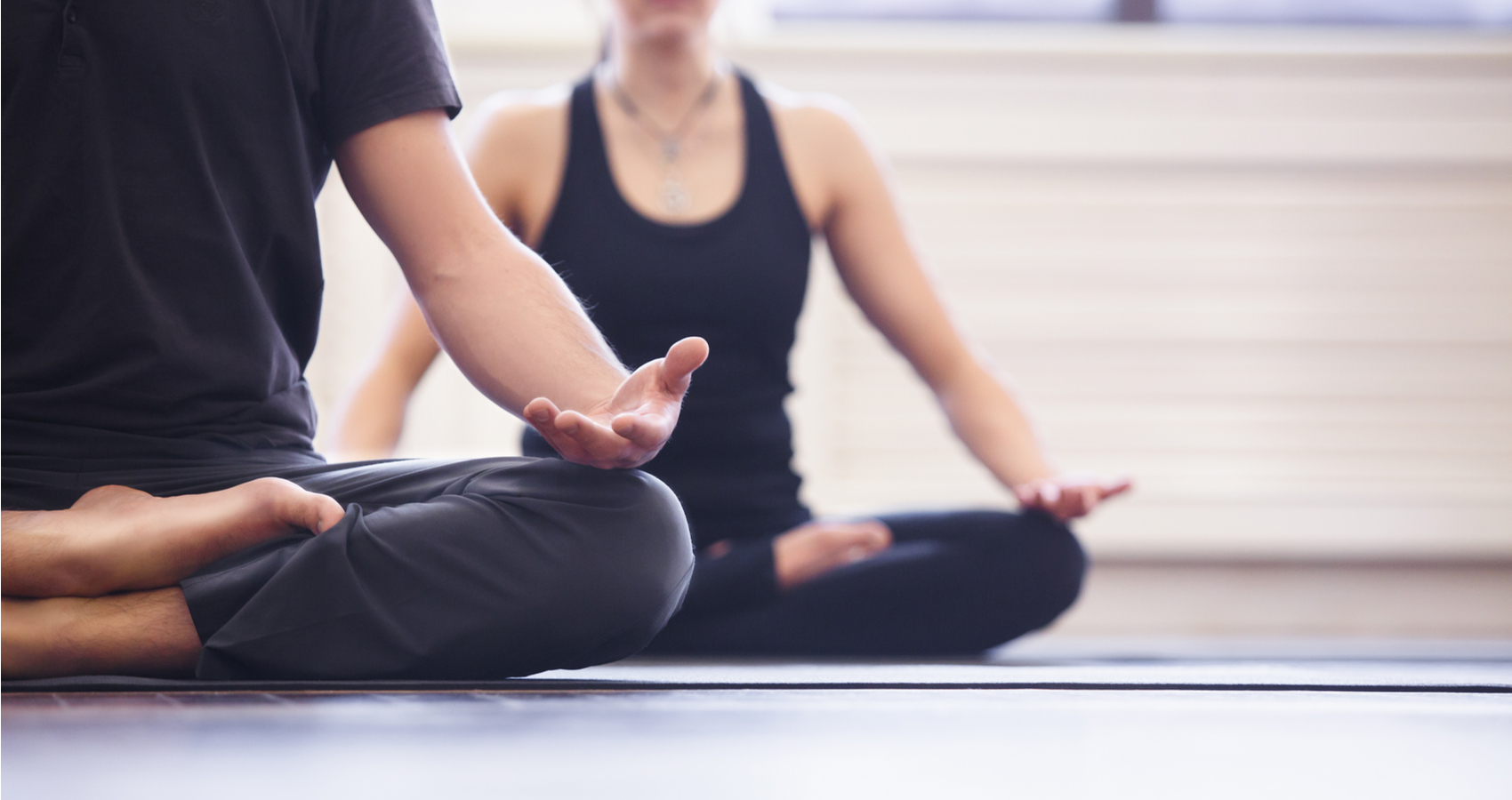
Practicing yoga is about more than deep breaths and extreme flexibility. In a world where we are constantly on the go, starting a yoga practice can help you pause for a moment, connect your mind to your body, and give you a stress-relieving workout no matter what your fitness level.

Here are some of our favorite benefits of doing yoga.
Benefit #1 – Decreases anxiety, tension, and stress
Taking a yoga class requires your complete focus and concentration. For the duration of the class, you get to tune out the world of your kids’ schedules, meal planning, and all of the tasks on your to-do list. Breathe in deeply and breathe out all of your stress and tension.

Benefit #2 – Improved mood and health
Stress can show up in your body in various ways—sleeping problems, back and neck pain, difficulty focusing, etc. Yoga is a mood booster and helps people cope better with stress, thus improving your overall mental outlook and physical health.

Benefit #3 – Lessen chronic pain, such as lower back pain, arthritis, headaches and carpal tunnel syndrome
The poses and postures of yoga are centered around your core, building up the muscles around your spine. With a strong core, your posture is improved and neck, back, and shoulder pain can be alleviated. Many yoga poses also focus on opening, stretching, and strengthening the joints of your body, which can help decrease pain.

Benefit of yoga #4 – Improved mobility and flexibility
Many people notice their bodies moving with new fluidity after just one yoga class. Over time, Yoga helps you improve the ease of your movement and mobility throughout your entire body. Doing 15 to 30 minutes of the elongated poses can also increase flexibility and balance.


Who is yoga for?
Beginners and Yoga Gurus
One of the best things about Yoga is that all fitness levels and ages can experience the mental and physical benefits from it. Don’t be intimidated by fancy yoga pose names. Most poses have advanced and beginner options so you can do what works for your body.

From beginner to yogis, you can benefit from yoga if you want to:
• Increase Mobility
• Gain strength
• Increase flexibility
• Strengthen your core
• Improve your balance
• Relieve stress
• Improve your breathing
• Try something new

Our Mind-Body program at Forma Gym is designed to facilitate wellness and healing by making movement and conscious attention a lifestyle practice. So no matter what your goal or fitness level, we offer multiple yoga class options that can help. Try a class with us and experience the benefits. Namaste.